LED Components for OEM and Special Lighting Applications
Renda supplies packaged LED components and upstream LED materials for projects that require controlled wavelength, suitable package formats, stable integration and application-specific light sources.
LED Component Families
Choose the Right LED Component Before Selecting Wavelength, Package or Power
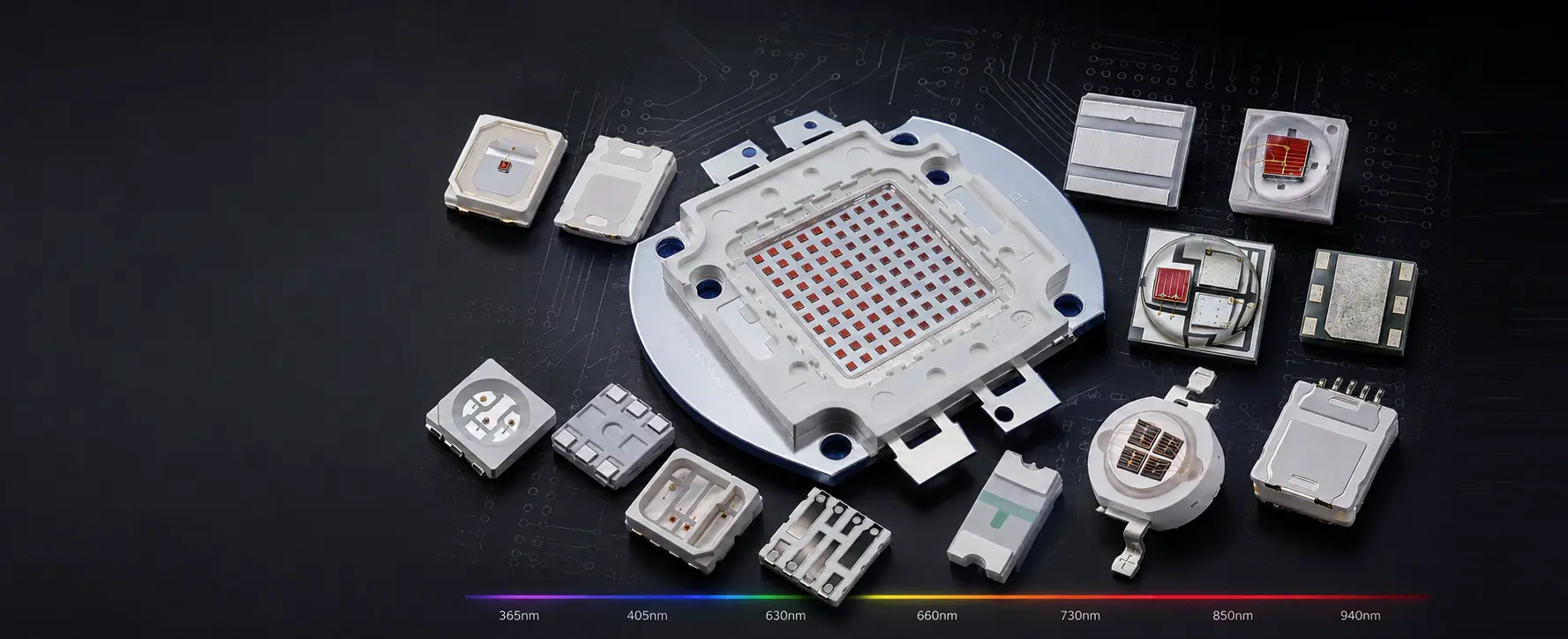
To simplify selection, Leienda organizes its currently verified LED portfolio into three core component families — SMD LEDs, High Power LEDs and COB LEDs. From there, buyers can narrow the selection by package size, wavelength, power, optical output or custom module requirements.
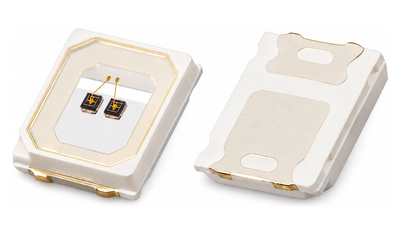
SMD LEDs
Individually packaged LEDs designed for surface-mount assembly on PCBs. Leienda offers multiple SMD package formats for phototherapy, UV, horticulture, infrared sensing, machine vision and other specialized lighting applications.
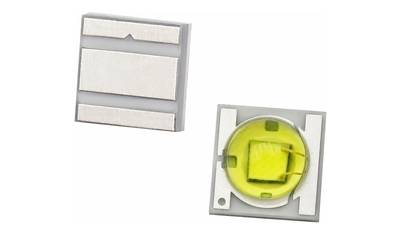
High Power LEDs
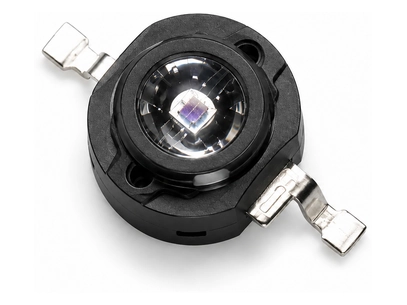
LED packages designed for higher drive current and optical output where thermal performance and power density are important. Leienda’s verified portfolio includes imitation-lumen high-power LEDs, ceramic high-power packages and high-power SMD configurations.
Technical Note: High Power is a performance class and may overlap with SMD or COB structures.
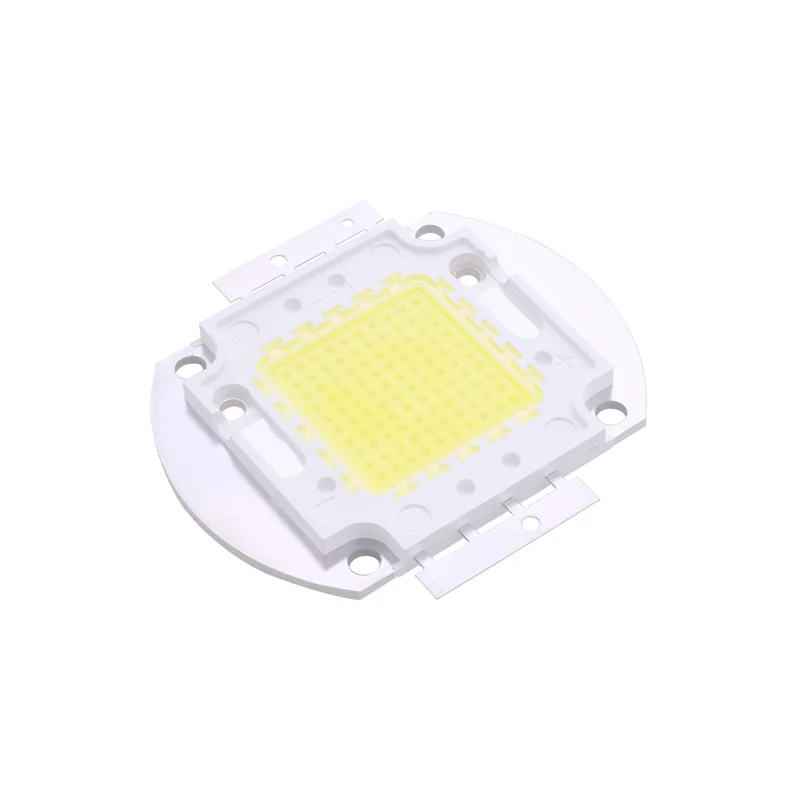
COB LEDs
Chip-on-Board light sources integrate multiple LED dies on a common substrate to create a concentrated emitting area. Leienda supplies integrated COB light sources for applications requiring higher optical output, compact emitting surfaces or customized wavelength combinations.
Technical Note: COB LED ≠ COB LED Strip ≠ Custom COB LED Module.
Component Selection Flow
Not Sure Which LED Component Fits Your Design?
Tell us your target wavelength, package size, operating current, power requirement or application. Our team can help identify the appropriate LED component or determine whether a custom LED module is more suitable.
Package Sizes
Package size identifies the physical footprint of a packaged LED. It does not by itself define wavelength, power, voltage, color or optical output.
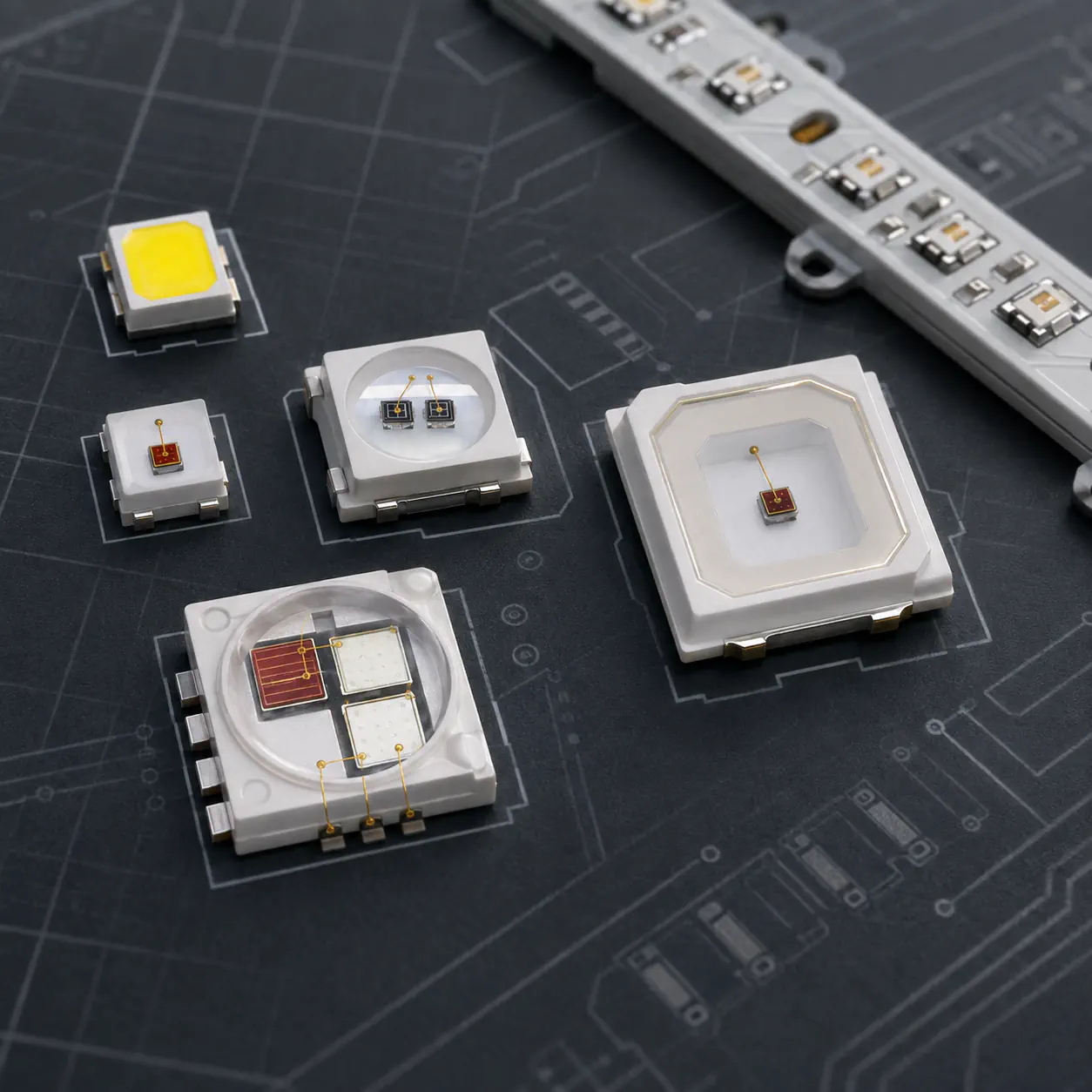
| Package | Typical Use | Selection Focus |
|---|---|---|
| 2835 | Compact PCB lighting and general packaged LED designs | Footprint, power level, wavelength, current and thermal path |
| 3030 | Mid-power and application-specific lighting assemblies | Package construction, optical output, thermal design and assembly compatibility |
| 3535 | High-power and specialized LED designs | Drive current, heat dissipation, substrate and optical requirements |
| 5050 | Multi-chip, RGB, RGBW and addressable configurations | Channel structure, control method, wavelength and thermal management |
| 3528 | addressable LED assemblies | Package drawing, pinout, supply voltage and control requirements |
| specific dimensions |
Device interiors requiring a defined board outline and LED layout. | PCB drawing, mounting holes, connector positions and available installation space |
The same package size can support different wavelengths, power classes, chip configurations and application requirements. Compare the complete product specification rather than selecting by package number alone.
Wavelengths
Wavelength is an optical property, while package type and power class describe other parts of the LED design. Select wavelength according to the intended application, measurement method, operating conditions and system architecture.
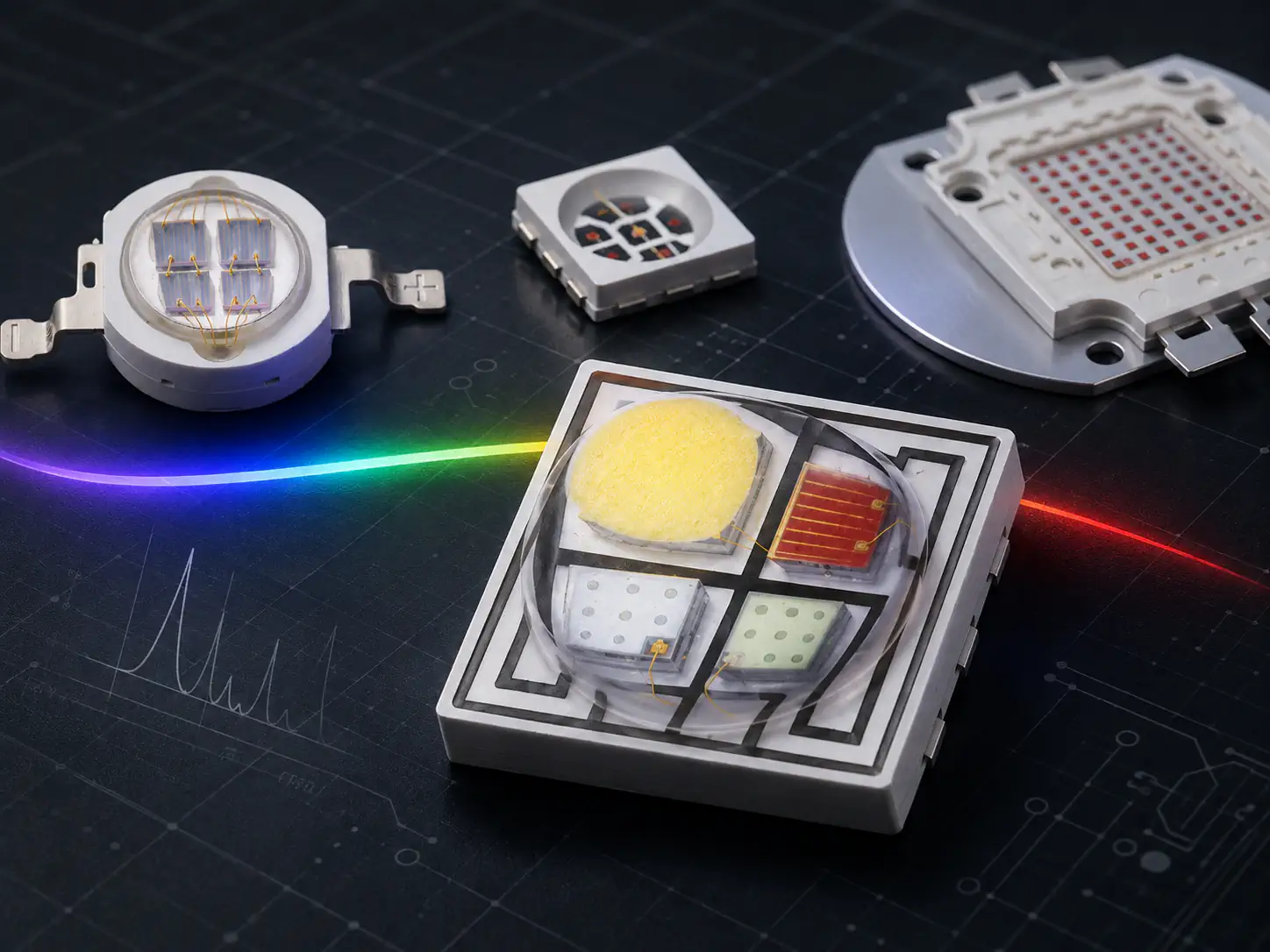
Renda product materials cover wavelength directions including red, deep red, near-infrared, UV, blue, green, white, full-spectrum and multi-channel combinations. Exact wavelength, bandwidth, optical output and binning must be confirmed for each product or project.
Selection examples:
-
Red and deep red: Commonly evaluated for phototherapy, wellness and specialty illumination equipment.
-
Near-infrared: Used in sensing, detection, machine vision and selected therapy-related equipment where the system requirements are clearly defined.
-
UV: Used for UV curing, inspection, sensing and disinfection-related equipment, subject to the wavelength, safety and application requirements of the final system.
-
RGB, RGBW and multi-channel: Used when the project needs color mixing, dynamic control or independent wavelength channels.
-
White and full spectrum: Used for general illumination, horticultural lighting, inspection and application-specific spectral combinations.
Applications
The correct LED component depends on the equipment, optical target, operating environment, control method, thermal design and integration process.

Phototherapy & Beauty Equipment
For phototherapy and beauty equipment, buyers may compare red, deep red and near-infrared wavelengths together with LED density, board shape, thermal management and treatment-area coverage.
Horticultural Lighting
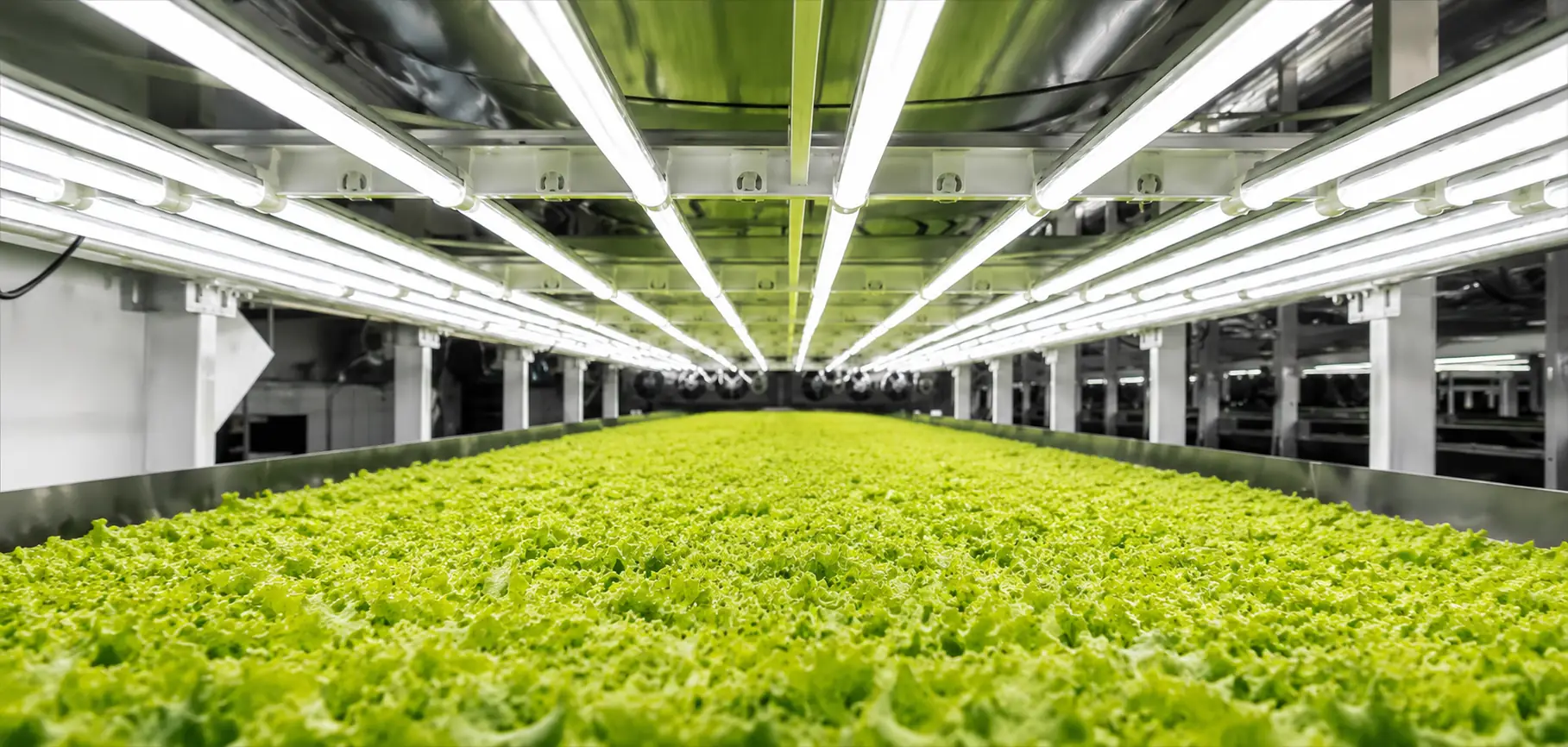
For horticultural lighting, evaluate wavelength combinations, channel control, optical distribution, operating power and the integration requirements of the final fixture.
UV Systems
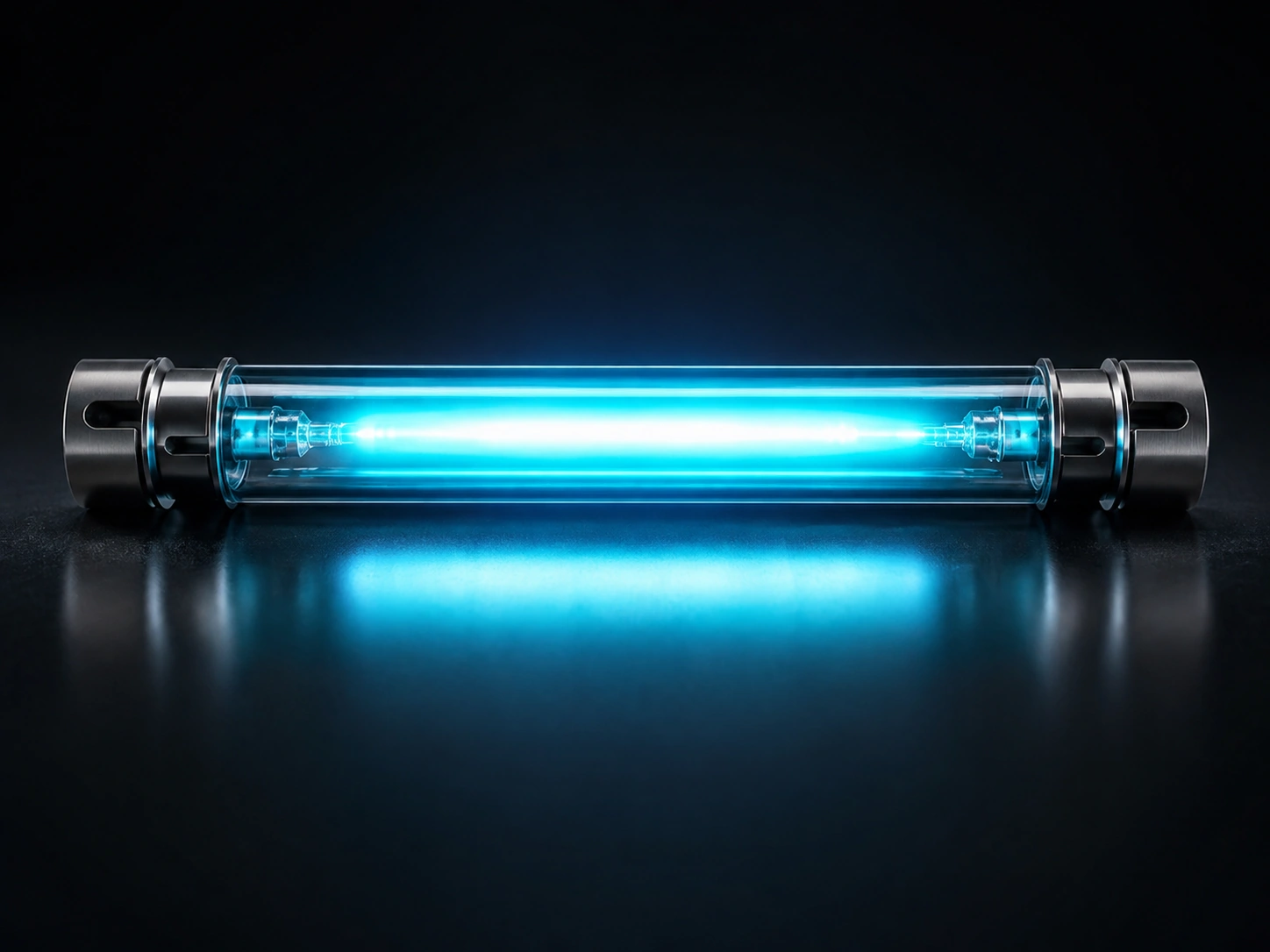
For UV systems, evaluate wavelength, irradiance, safety design, thermal management and the intended curing, inspection or disinfection process.
Sensing & Special Lighting
For infrared sensing and machine vision, compare wavelength, spectral response, modulation, optical geometry, operating current and detector compatibility.
How to Choose
Define the delivery stage
Decide whether the project needs an LED wafer, LED die, packaged LED, COB light source or finished LED module.
Define the optical requirement
Confirm the wavelength, spectral range, color, optical output, viewing angle and whether single-wavelength or multi-wavelength operation is required.
Define the electrical and thermal condition
Review forward voltage, drive current, power level, thermal path, substrate, heat dissipation and expected operating environment.
Define the mechanical integration
Confirm package dimensions, PCB or FPC geometry, mounting method, LED spacing, optical structure and available installation space.
Define the control architecture
For RGB, RGBW or multi-wavelength products, determine whether independent channels, dynamic control, constant-current driving or other control requirements apply.
Define the project stage
Clarify whether the buyer needs standard packaged LEDs, samples, a product selection recommendation, a custom PCB/FPC board, a COB module or a complete LED light engine.
A useful LED specification is not only a part number. It is the combination of optical, electrical, thermal, mechanical and integration requirements.
SMD vs High Power vs COB
| Category | Description | Selection Focus |
|---|---|---|
| SMD LEDs | Independent packaged devices mounted on a PCB. Suitable for flexible layouts, distributed light sources, multi-channel designs and automated assembly. | Package size, channel layout, assembly and flexibility |
| High Power LEDs | A power-performance category that emphasizes higher drive current, optical output or radiant power. Thermal design and junction-temperature control become more important. | Current, optical output, thermal path and operating temperature |
| COB LEDs | Multiple LED dies integrated on a shared substrate. Suitable for concentrated light-emitting areas, integrated optical output and selected higher-power designs. | Substrate, integrated die layout, optical area, power density and heat dissipation |
These categories are not always mutually exclusive. A product can combine SMD assembly, high-power performance, ceramic construction, CSP architecture or Flip Chip technology. Compare the actual construction and specification rather than treating each term as a completely separate hierarchy.
Featured Products
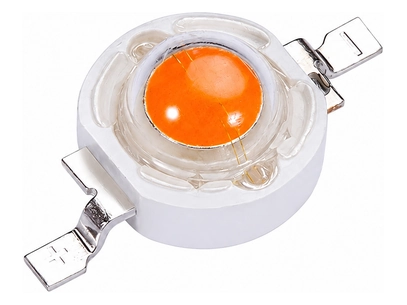
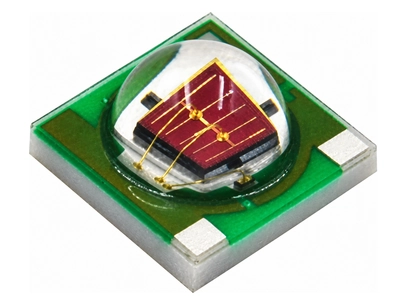
Ceramic High Power LEDs
Enhanced thermal reliability using ceramic substrate construction.
View Details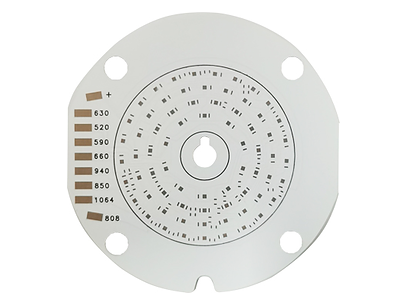
COB Integrated Light Sources
High-density integrated LED arrays for concentrated optical output.
View Details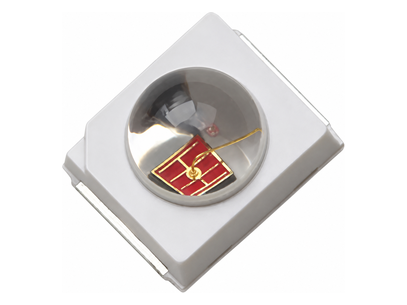
UV LED Components
Ultraviolet light sources for curing, inspection and specialized use.
View Details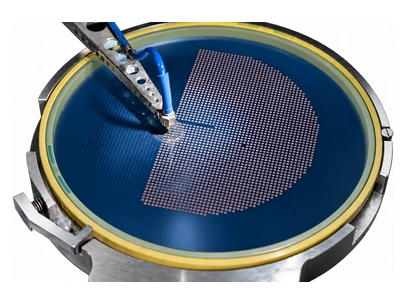
LED Die & Wafer Supply
Upstream materials for buyers with advanced assembly capabilities.
Inquire NowCustom LED
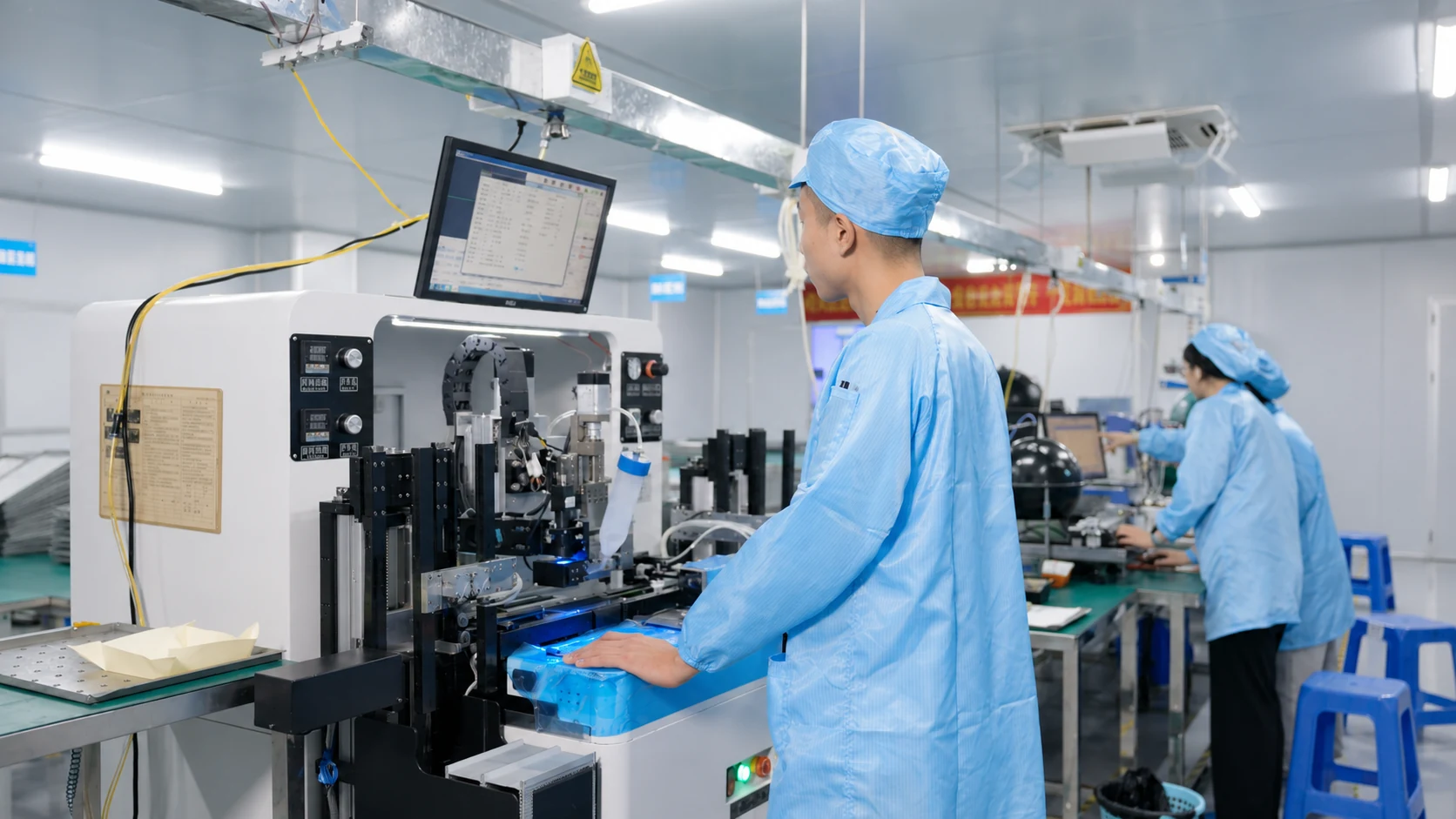
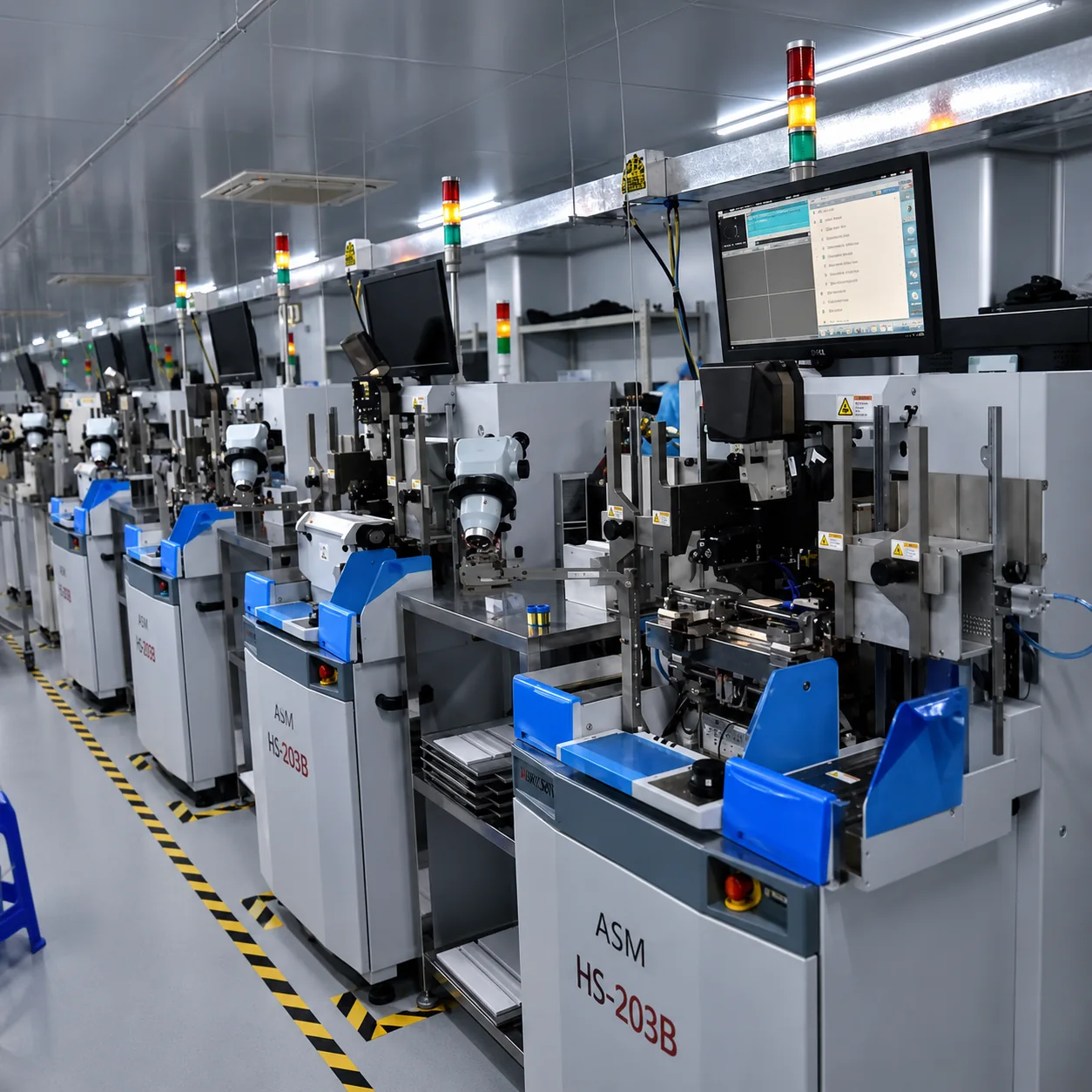
Standard LED components are suitable when the package, wavelength, power class and assembly format already match the project. Custom development becomes useful when the buyer needs a specific board shape, wavelength combination, LED spacing, power distribution, optical layout or integration format.
Renda supports custom LED directions including wavelength selection, LED package selection, PCB and FPC board formats, COB light sources, multi-wavelength configurations, LED arrays and application-specific light source assemblies, subject to project review.
LED to Module
Renda’s product scope can connect packaged LED components with custom LED boards and light-source modules. Final equipment performance still depends on the complete system design and validation conditions.
LED Component
Package, die or wafer selected according to the project
Board or Substrate
PCB, FPC, ceramic or other suitable substrate direction
Optical & Electrical Configuration
Wavelength, spacing, current, channel structure and optical layout
Custom LED Module
LED PCB board, flexible FPC board, COB module, LED panel, array or light engine
Equipment Integration
The final module is evaluated within the buyer’s equipment, enclosure, driver, control system and thermal design
Quality and Certifications
LED component quality depends on material control, package consistency, wavelength accuracy, electrical performance, thermal behavior, assembly compatibility and inspection discipline.
Renda’s quality direction includes incoming material inspection, finished-product inspection, wavelength and optical testing, electrical review and application-specific product evaluation. Available quality and compliance documents should be reviewed according to the product type and project requirements.

Frequently Asked Questions
What is the difference between an LED die, LED wafer and packaged LED?
Is High Power LED a package type?
What is the difference between SMD LED and COB LED?
Can CSP and Flip Chip be used in the same LED product?
How should I choose an LED wavelength?
When should I choose a custom LED board or module instead of a standard LED component?
Start an LED Component Inquiry
Share the LED component type, wavelength, package size and application direction you are considering. Renda can review the component category and help connect it to the right package, board or module path.
Project Preparation Checklist
To help us recommend the most suitable components faster, consider sharing these details in your message:
- LED component type: SMD, high power, COB, CSP, flip chip, LED die or LED wafer
- Package size or structure, if known
- Wavelength, color or spectrum requirement
- Voltage, current or power direction
- Application or equipment type
- Board, module or light engine plan, if the component will be integrated later
- Sample, document or compliance review needs
Direct Contact Information
sales@leiendaled.com / info@leiendaled.com
4/F, No. 8 Guanghui Road, Longteng Community, Shiyan Street, Bao'an District, Shenzhen, Guangdong, China