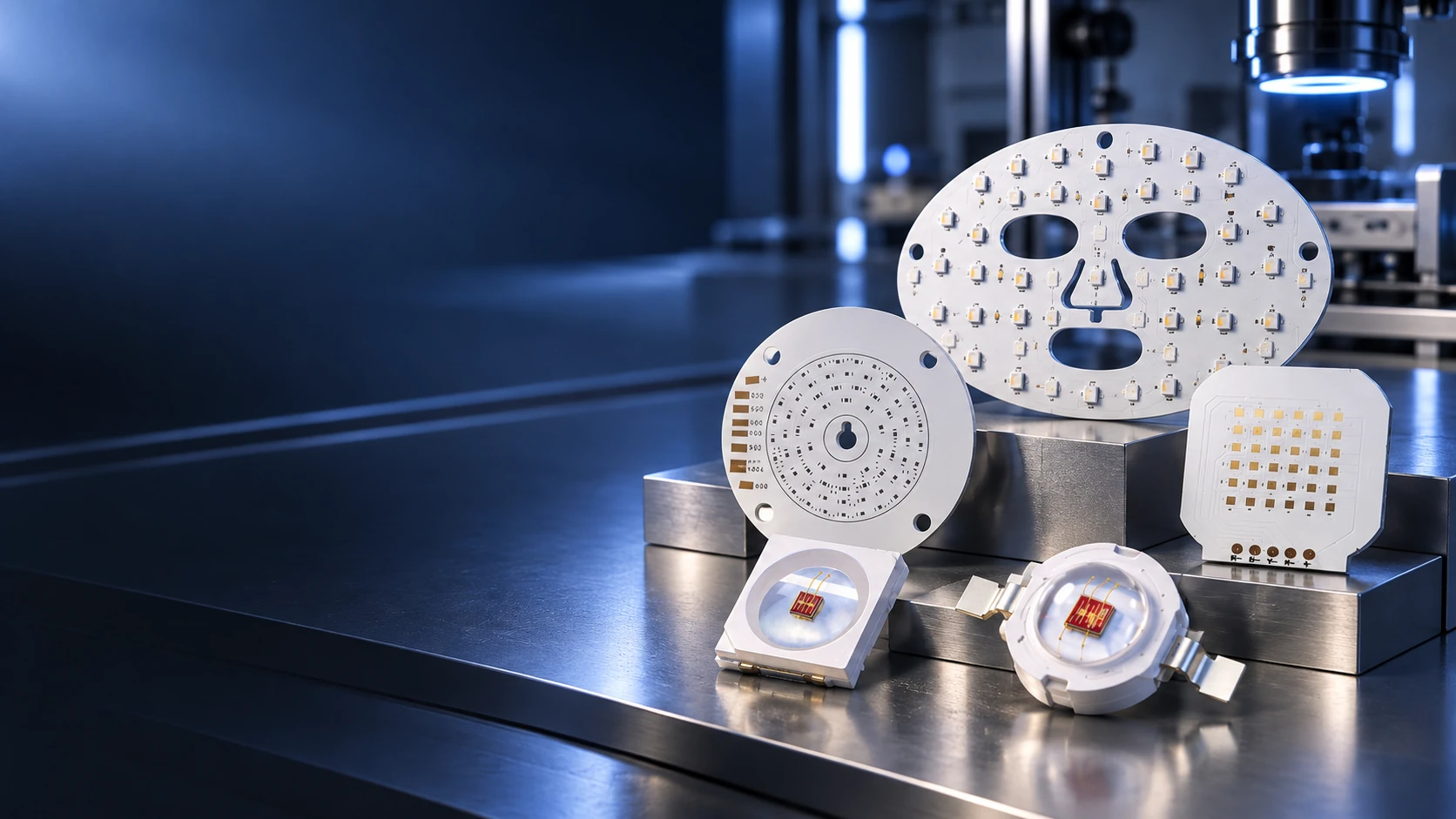
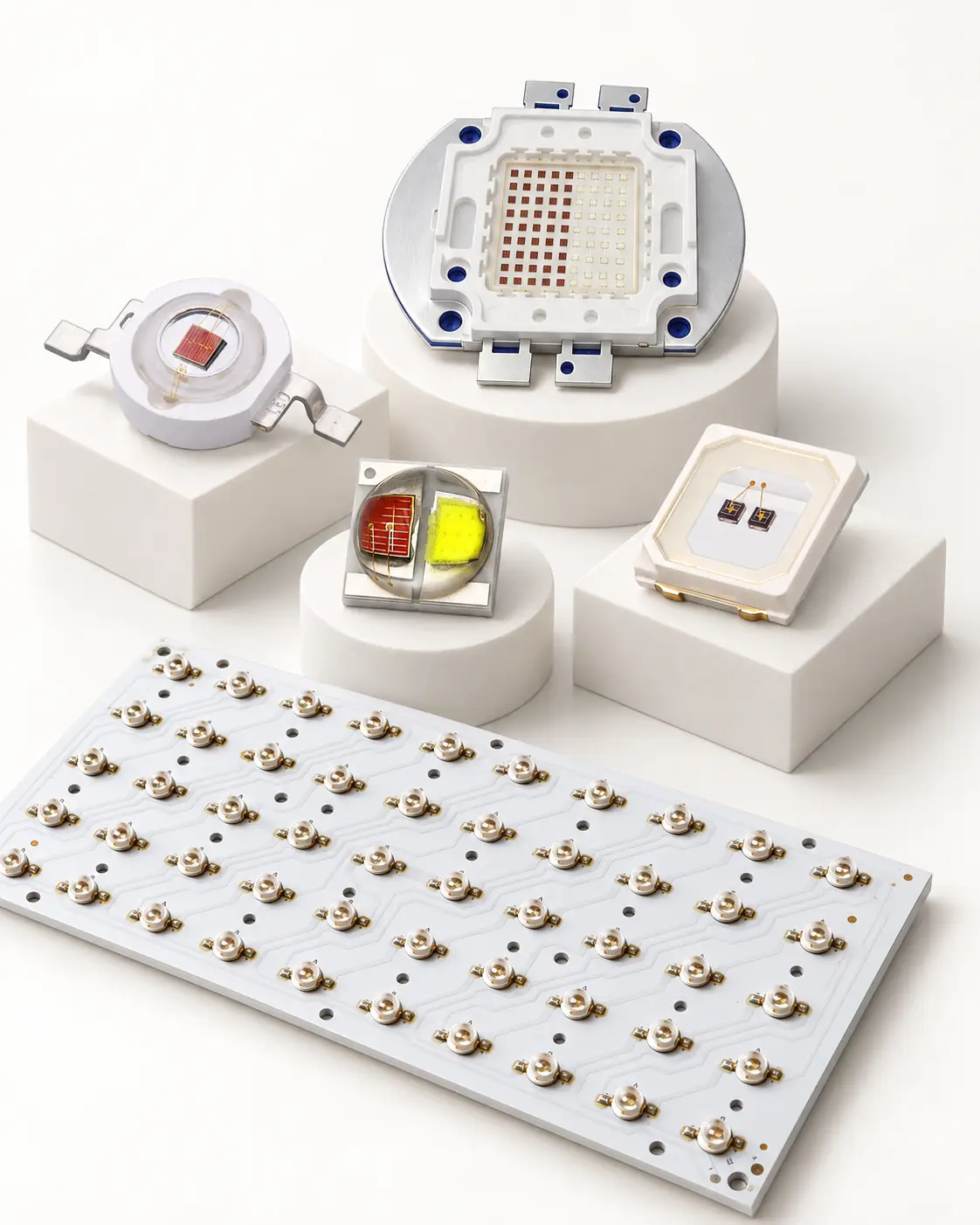
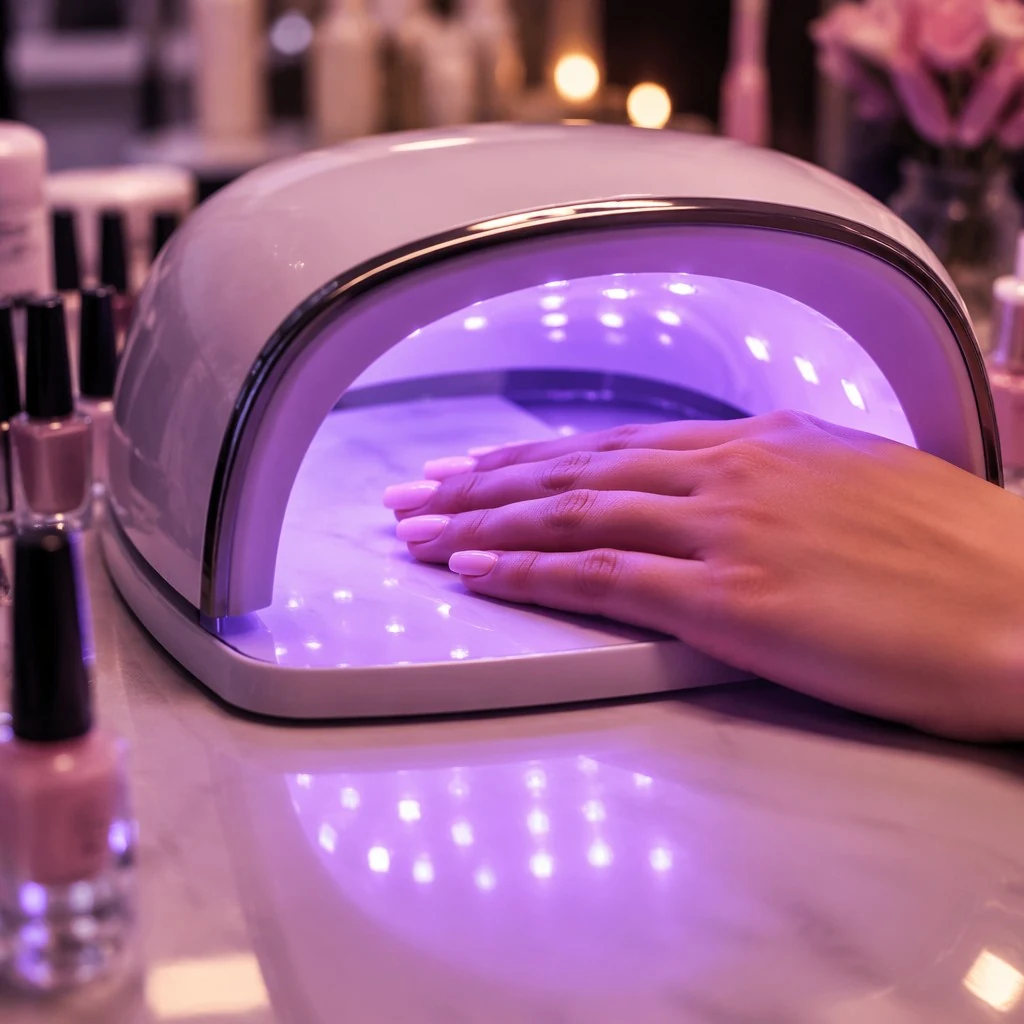
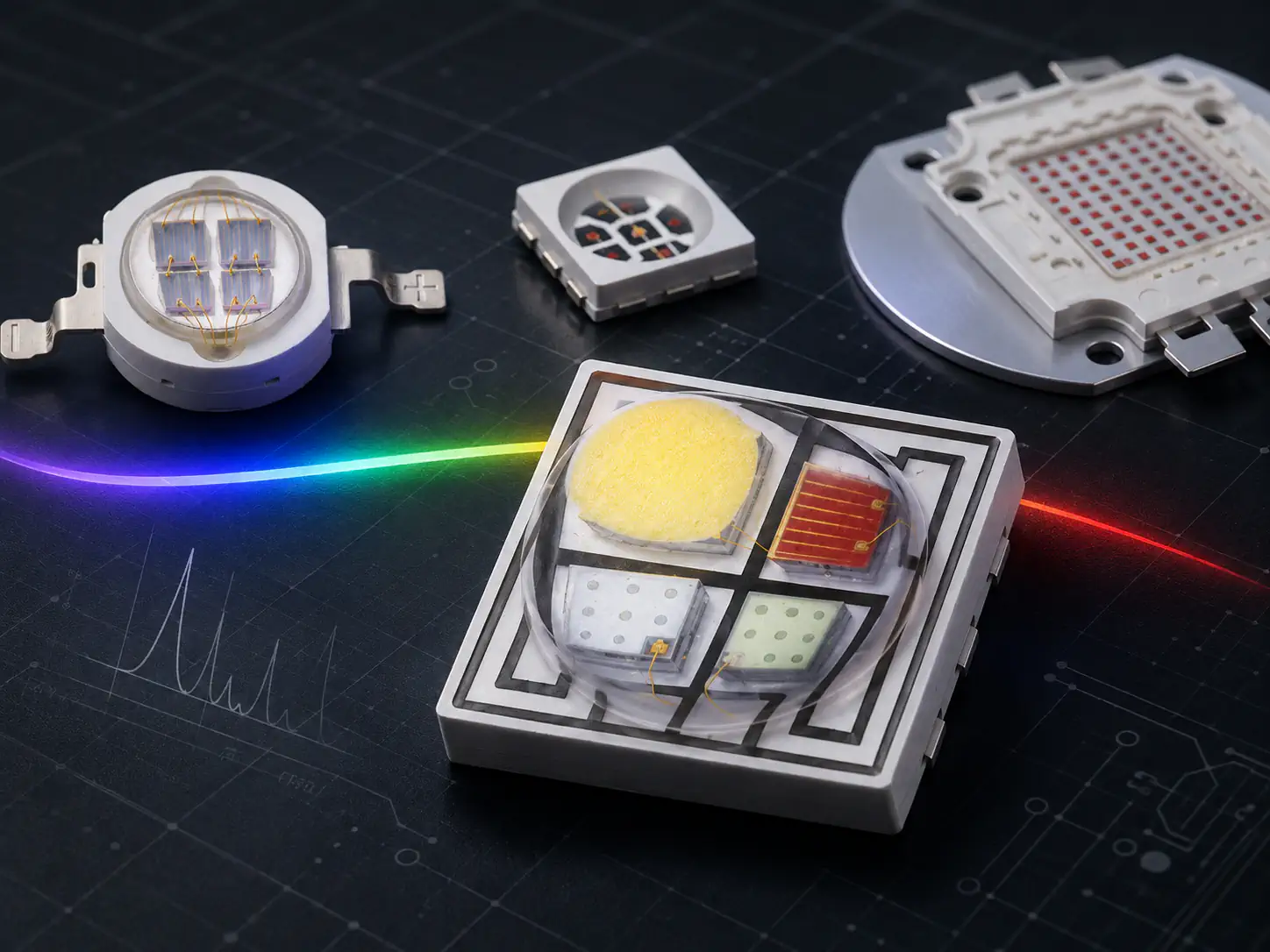
High power LED emitter, ceramic package and COB light source components

LED Components & Light Sources

High Power LED Manufacturer for Emitters, COB Sources & Custom Modules

Choose from discrete emitters, ceramic and surface-mount packages, integrated COB sources, or a light board configured for your equipment. LEIENDA supports red, near-infrared, UV, white and multicolor directions, with the final choice guided by the part specification and your optical, electrical and thermal design.

Choose a High Power LED Format

Start with the way the light source must fit your equipment. Package construction, emitting area and board integration change the optical layout, drive design and thermal path.

High power lumen-style LED emitter package

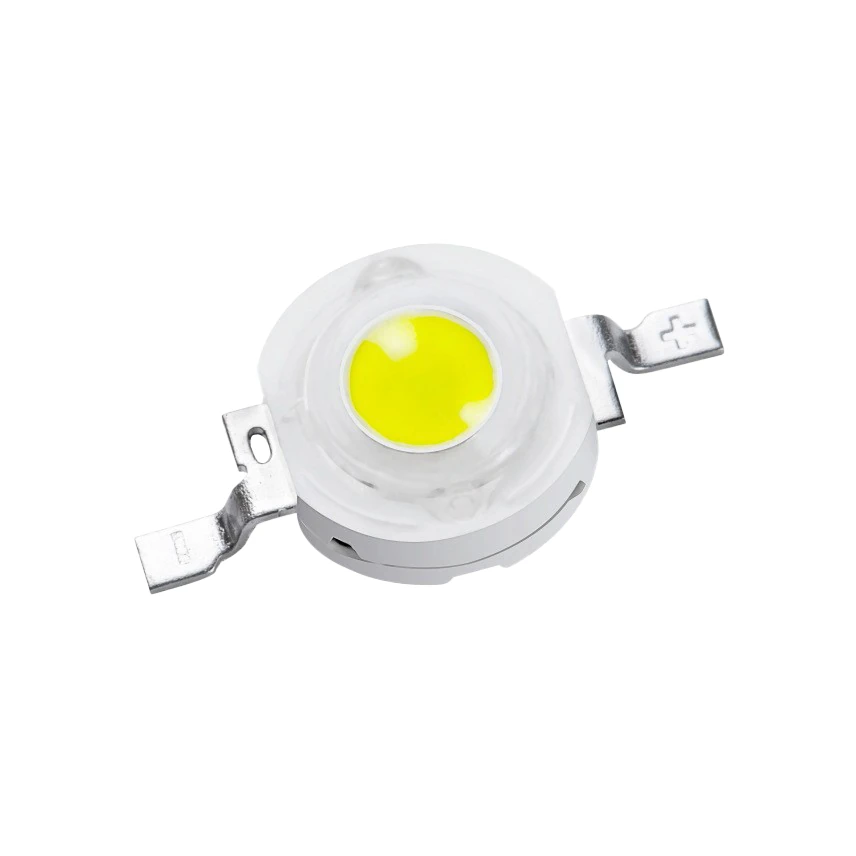
High Power LED Emitters

Single- and multi-chip lumen-style emitters provide a defined light-emitting point. The documented range includes 1W and 3W options, with single-color and mixed-wavelength configurations. Compare the specified current, viewing angle and heat path before selecting a part.

3535 and 5050 ceramic high power LED packages

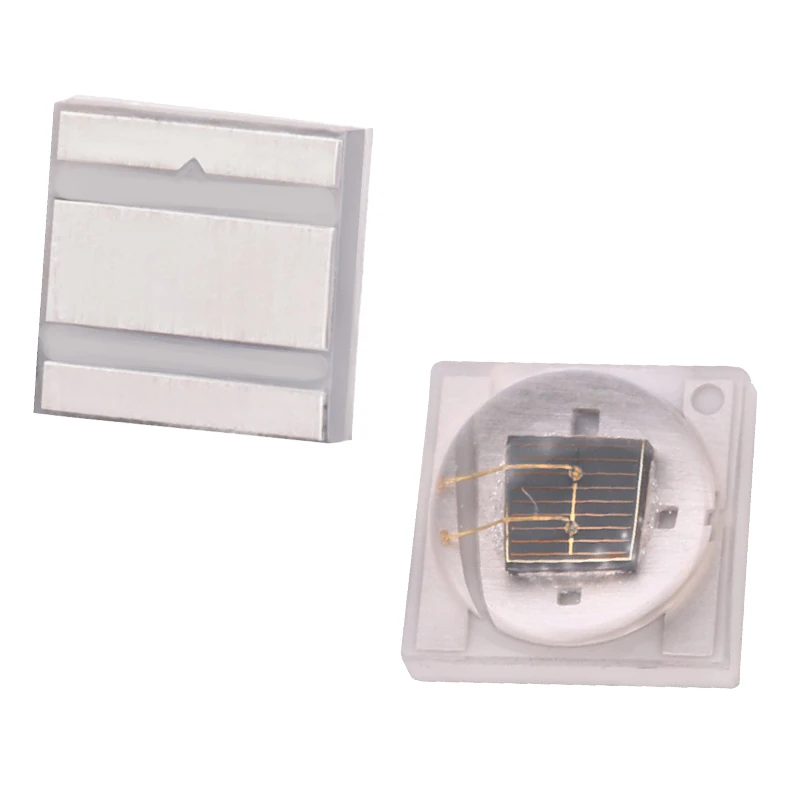
Ceramic High Power LEDs

3535 and 5050 ceramic packages offer a compact route when footprint and the package-to-board thermal interface matter. Red and near-infrared, white, RGB and RGBW examples are available; electrical and optical values must be checked for the selected part.

High power 3030 surface-mount SMD LED components

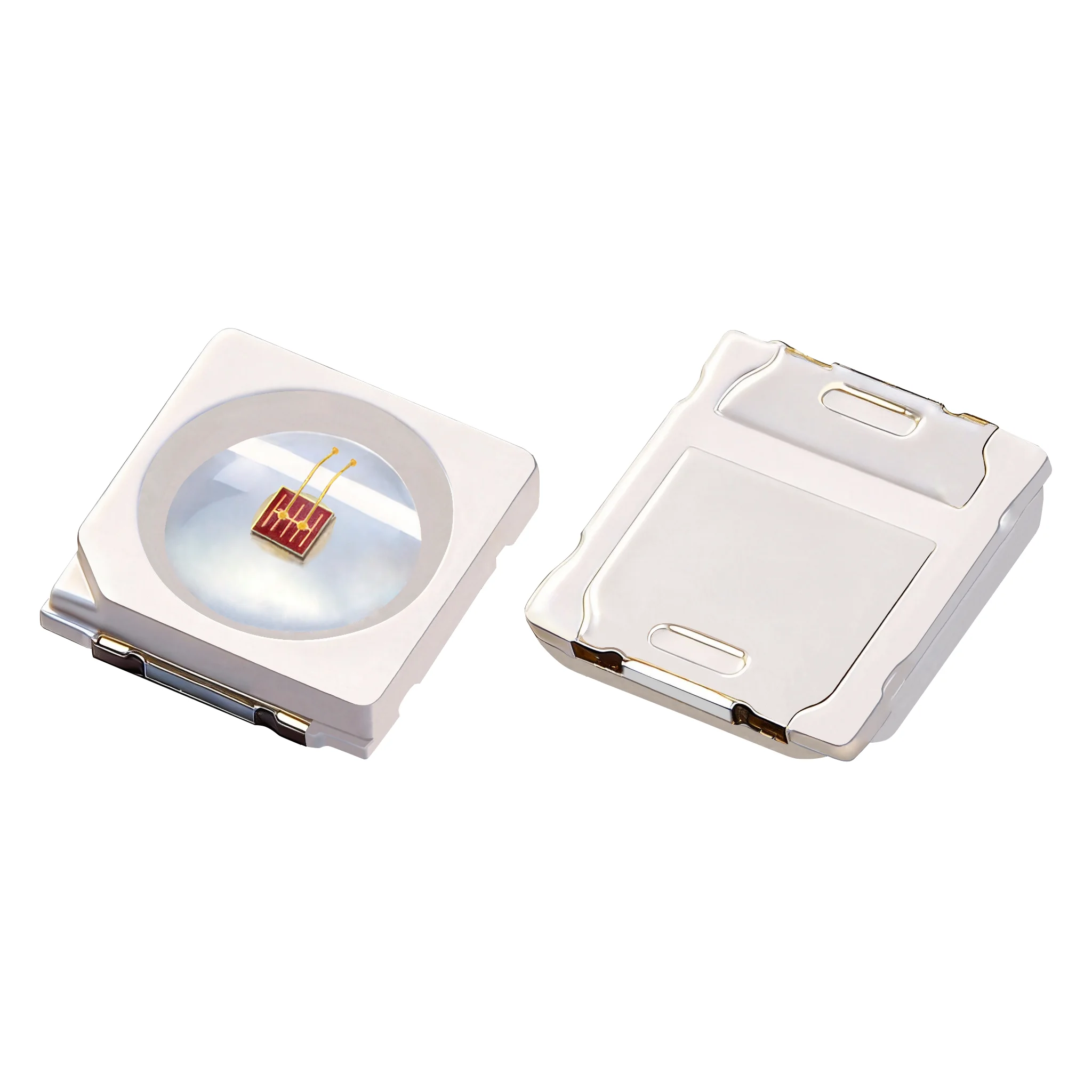
High Power SMD LEDs

Surface-mount packages suit automated PCB assembly and distributed LED layouts. LEIENDA’s product scope includes 3030 and other higher-current SMD configurations. A package number alone does not establish its power rating; compare the actual part construction and specification.

Integrated high power COB LED light source substrate

High Power COB LED Sources

Multiple LED dies on one substrate create a defined emitting area. Integrated COB examples include white, red and near-infrared, RGB and other color combinations. Select by emitting area, substrate, board outline, drive arrangement and heat-sink contact.

Custom high power LED PCB and FPC light-source module assembly

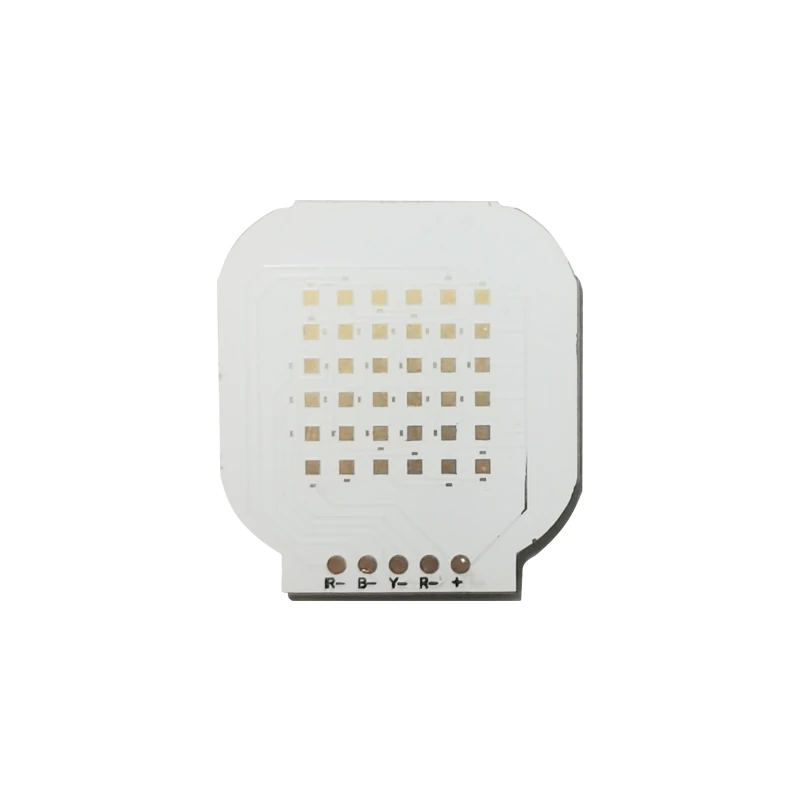
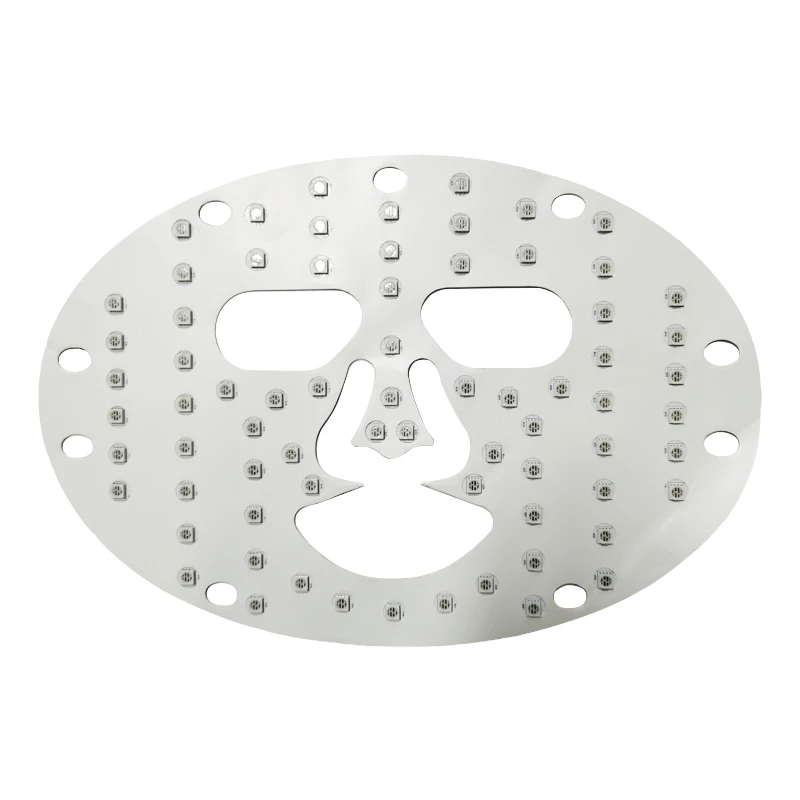
Custom High Power LED Boards & Modules

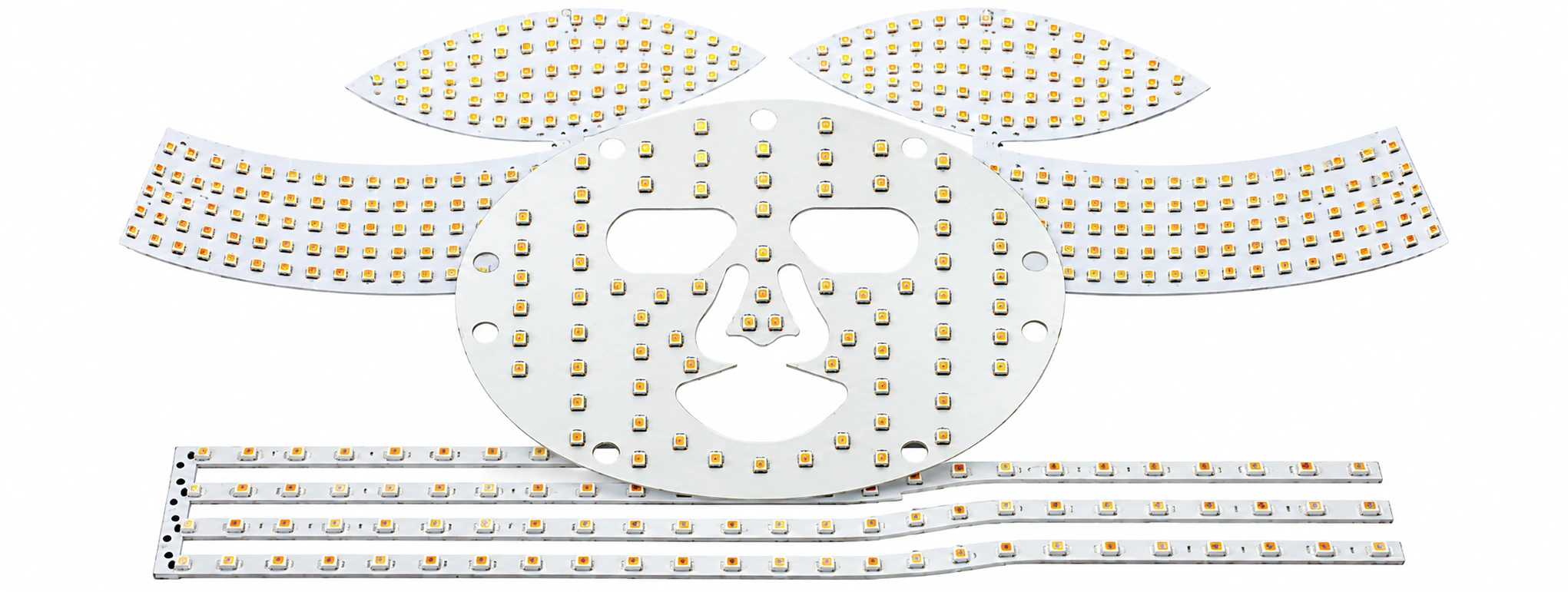
When individual components are not the final delivery format, selected LEDs can be arranged on rigid PCB or flexible FPC boards and developed into PCBA light-source assemblies. Layout, channel grouping, mounting and connections are reviewed against the equipment design.

Which Format Fits Your Build?

The right starting point depends on the light-emitting geometry and the assembly you need to receive—not on wattage alone.

Starting point Useful when Check first
Discrete emitter One defined emitting point must work with a lens or reflector. Viewing angle, forward current, mounting and thermal contact.
Ceramic package A compact package and its thermal interface are central to the design. Footprint, solder land, drive condition and part-specific output.
SMD package LEDs will be distributed across a PCB or used in multiple channels. Pad layout, channel wiring, assembly conditions and binning.
COB source The design needs an integrated emitting area. Light-emitting surface, substrate, board outline and heat removal.
Custom board or module The delivered light source must fit a defined device shape and connection. Mechanical clearance, LED spacing, connector, channels and system cooling.

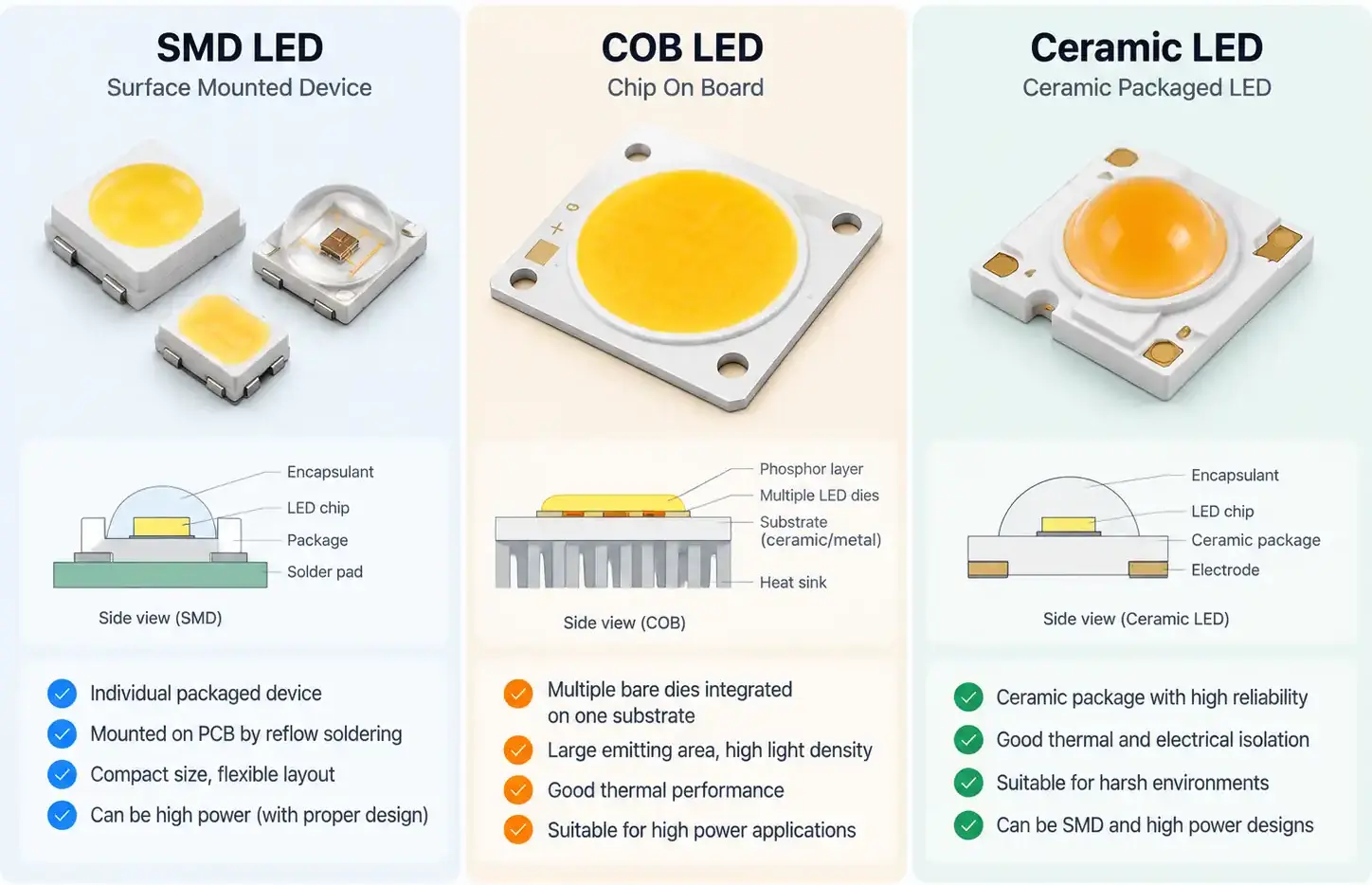
Ceramic LEDs can also be surface-mount devices, and a COB source can be high power. Compare the actual construction and rated operating conditions rather than treating these terms as exclusive categories.

Structural comparison of discrete LED package, COB source and custom LED board

Compare the Conditions Behind the Wattage

A wattage label is only a starting point. Output, wavelength and service life depend on how the selected LED is driven and cooled in the final assembly.

High power LED package outline and pad dimension drawing
LED Component Detail

Optical target

Define peak wavelength in nm for single-color or infrared devices, or CCT in K for white light. Reference directions in LEIENDA’s range include 620–630nm red, 655–665nm deep red, 845–855nm near-infrared and 660nm + 850nm combinations. Confirm the exact part, measurement condition and channel arrangement before design approval.

Electrical match

Compare forward voltage and rated current for each channel. RGB, RGBW and mixed-wavelength devices may require separate channel control; a single total-wattage figure does not describe their wiring or driver needs.

Thermal and mechanical fit

Review package dimensions, solder or mounting interface, board material, heat-sink contact and the intended ambient condition. Obtain the selected part’s thermal and optical data before fixing the driver and enclosure.

Part-Specific Data to Request

Optical Electrical Integration
Peak wavelength or CCT; optical output and its test current; viewing angle Forward voltage; rated current; channel and polarity details Package or board drawing; thermal data; mounting and assembly conditions
Series examples help narrow the choice. Final values and tolerances belong to the selected part’s specification.

Resolve the Source-Level Decisions Early

The package fits, but the thermal path does not

A device chosen by footprint or wattage alone can force changes to the board and heat sink later. Compare emitter, ceramic, SMD and COB constructions together with the actual mounting surface and operating current.

The wavelength is right, but the channels are not

Red and near-infrared combinations, RGB and RGBW designs need the correct chip arrangement and electrical separation. Single- and multi-chip packages offer different starting points; the channel plan should be settled with the driver and optical layout.

The LED works, but the assembly is incomplete

A packaged device still has to fit its PCB, FPC or equipment enclosure. LEIENDA can discuss the component and the corresponding light-board or PCBA format within one project, so the optical, electrical and mechanical requirements are reviewed together.

Match the LED to the Equipment

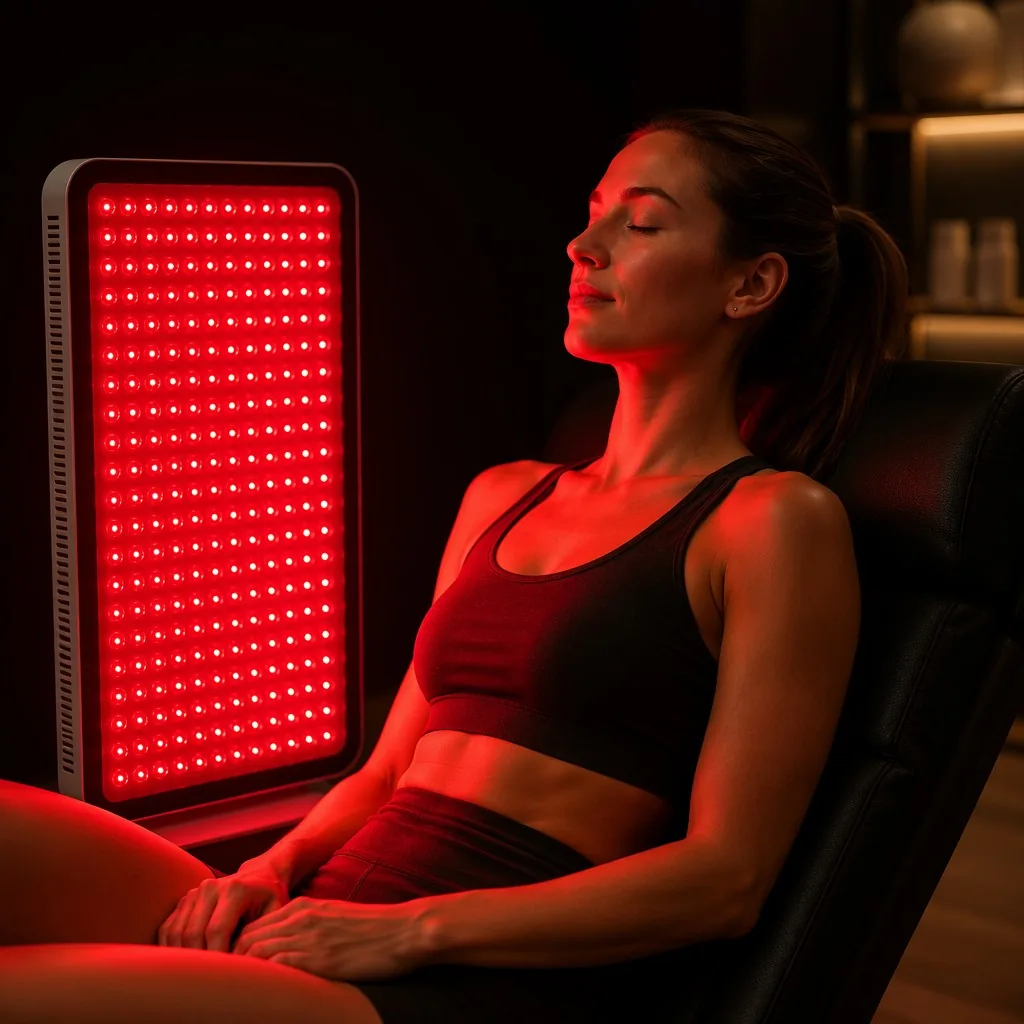
Red and near-infrared LED board for phototherapy and beauty equipment

Red and near-infrared equipment

Compare wavelength, channel control, LED density and board shape for phototherapy and beauty-device designs. The finished equipment’s optical output, exposure conditions and regulatory obligations require system-level validation.

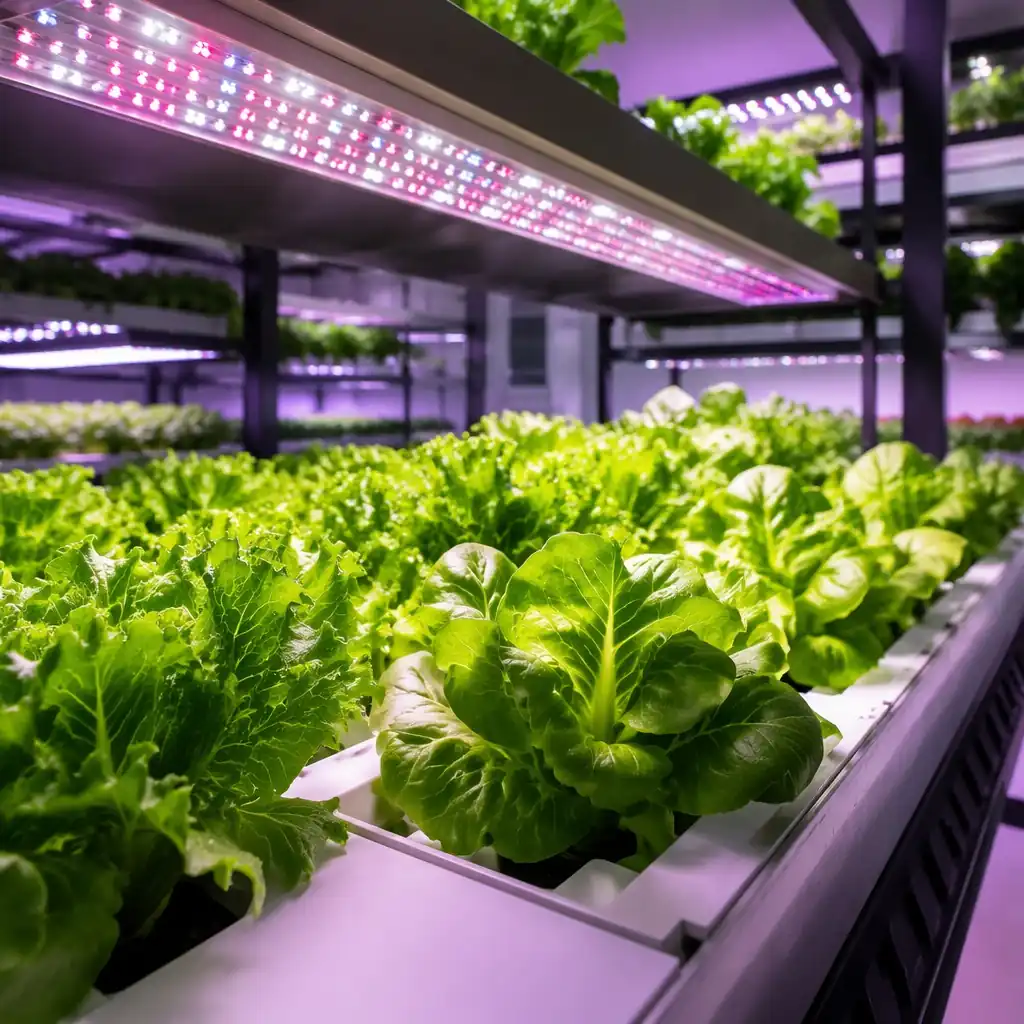
White, blue, red and deep-red LED components for horticulture lighting

Horticulture lighting

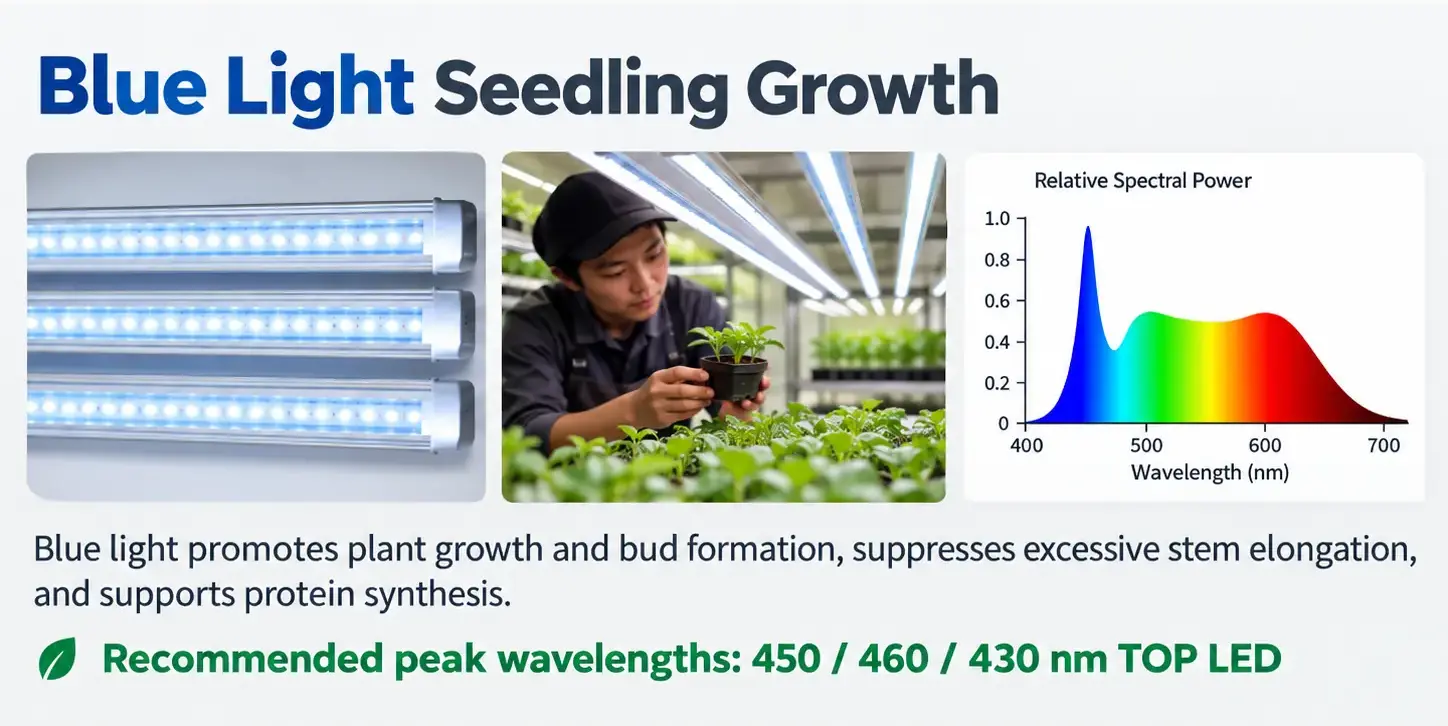
White, blue, red and deep-red directions can be evaluated against the target spectrum and fixture layout. The LED choice must be assessed together with photon distribution, driver design and cooling in the complete grow light.

UV high power LED emitter and COB array for curing and inspection

UV curing and inspection

Begin with the required UV wavelength and the target process. Package selection then depends on operating current, irradiation geometry, thermal design and the safety measures of the finished system.

Infrared high power LED emitter for sensing and machine vision

Infrared sensing and machine vision

Select infrared wavelength and emitting geometry against the detector, optics, working distance and control method. Component choice alone does not establish sensing performance.

From LED Package to Light-Source Assembly

LEIENDA LED packages including emitters, ceramic, SMD and COB light sources Custom LED board layout with connector position and mechanical dimensions

Several source constructions

Compare lumen-style emitters, ceramic packages, SMD devices and integrated COB sources before committing to one optical and thermal design.

Single- and multi-channel choices

The product range includes single colors, red/near-infrared combinations and RGB or RGBW examples. Channel structure can be discussed alongside wavelength and drive requirements.

Board-level customization

Rigid PCB, flexible FPC and PCBA formats allow the chosen LEDs to be arranged around a defined mounting space, connector position and light distribution.

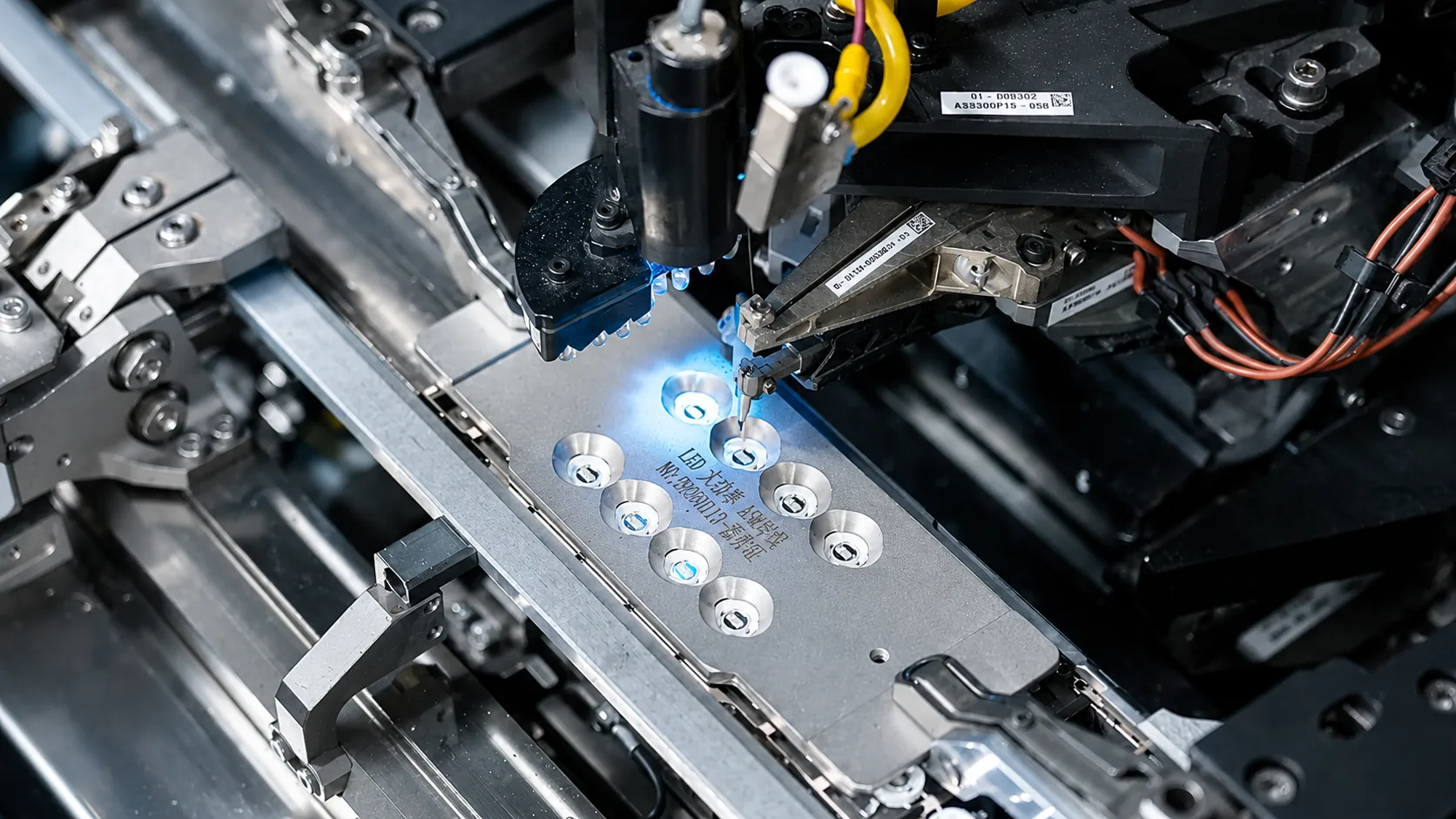
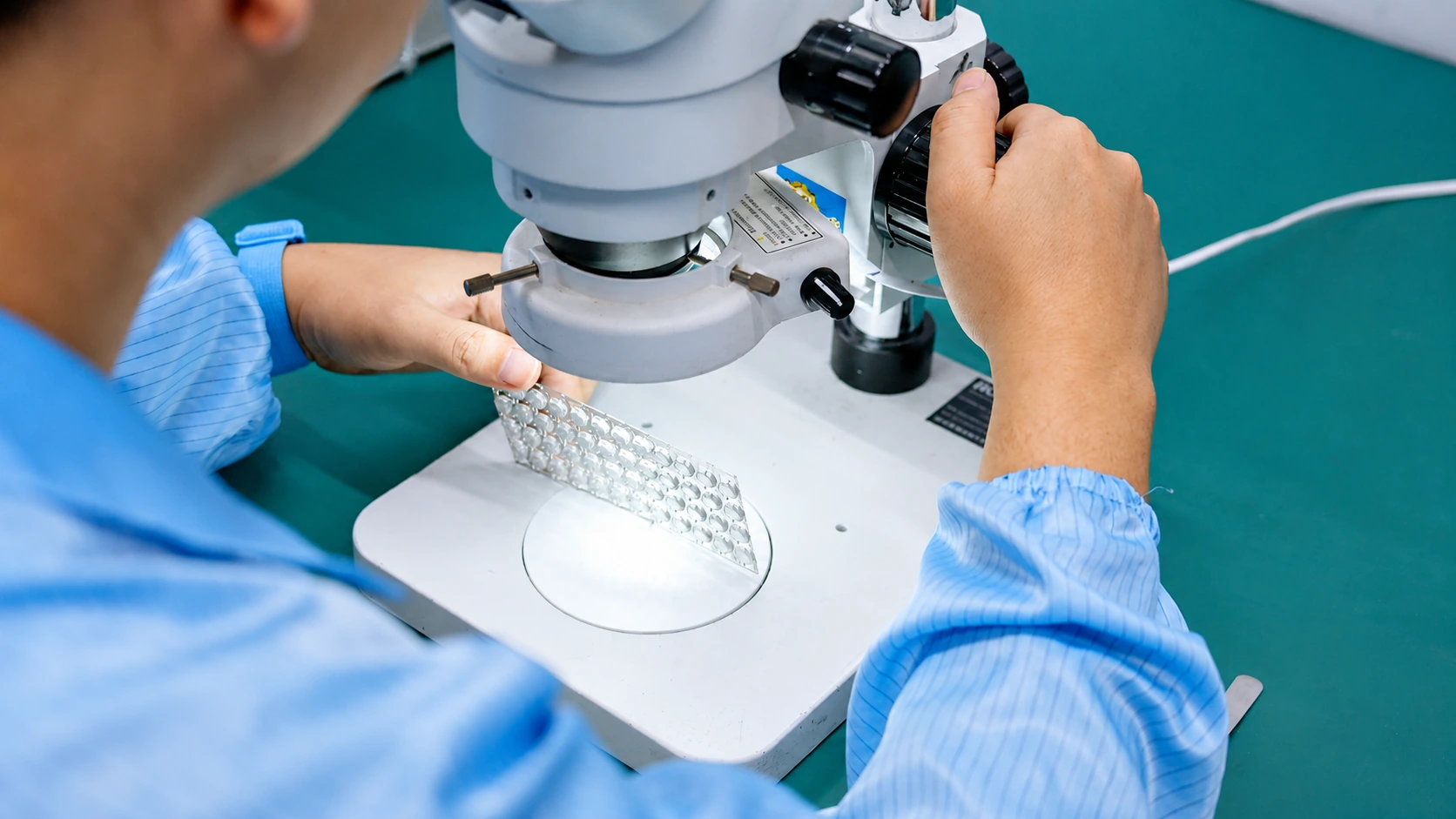
LED Packaging and Inspection in Shenzhen

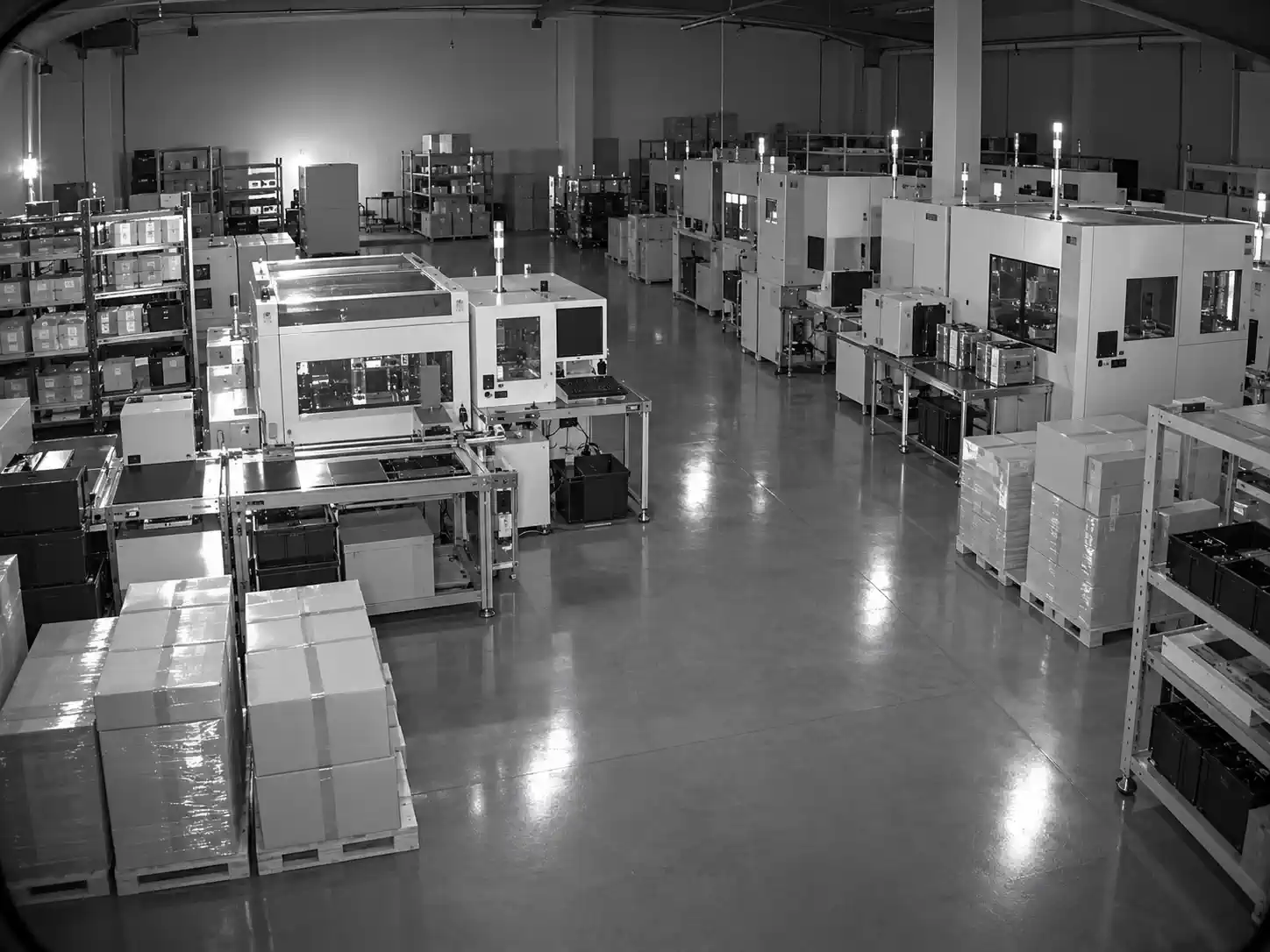
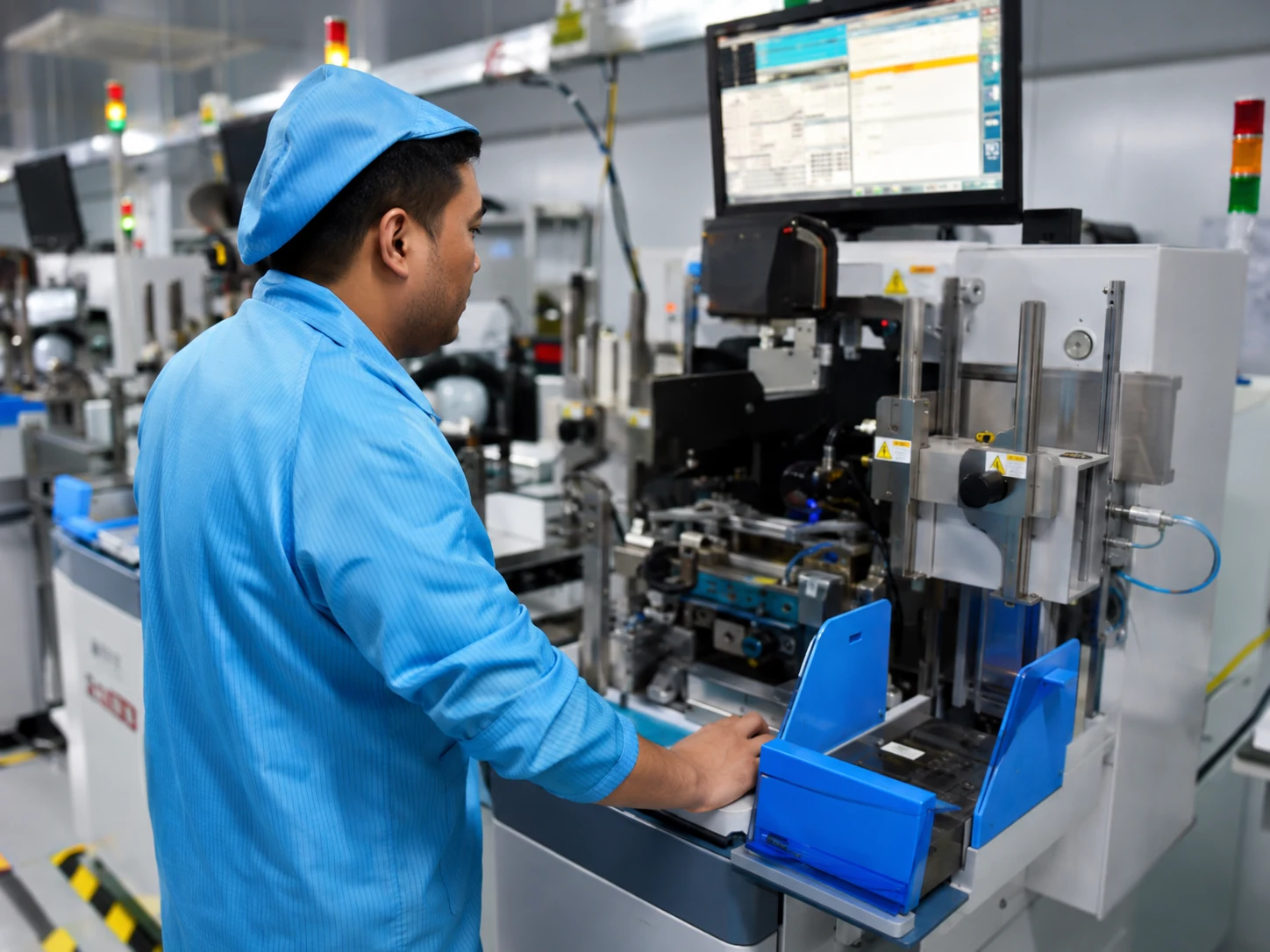
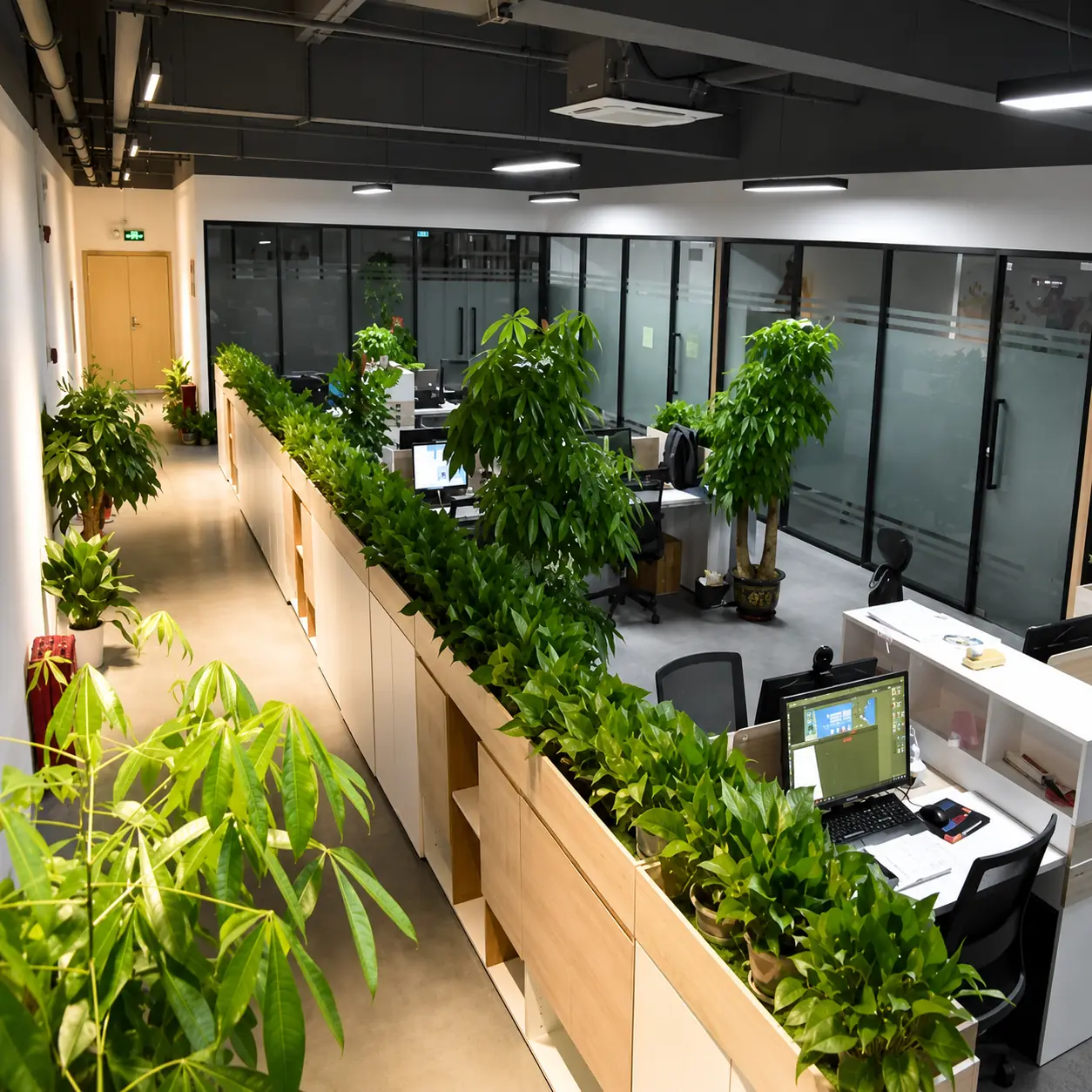
LEIENDA develops and produces LED lamp beads in Shenzhen. Incoming materials and finished products are inspected as part of its production process. For a selected LED or module project, align the inspection items and required optical, electrical and reliability information with the actual part and application.

Internal package structure and wire-bond layout of LEIENDA LED component Optical and electrical inspection of packaged LED lamp beads
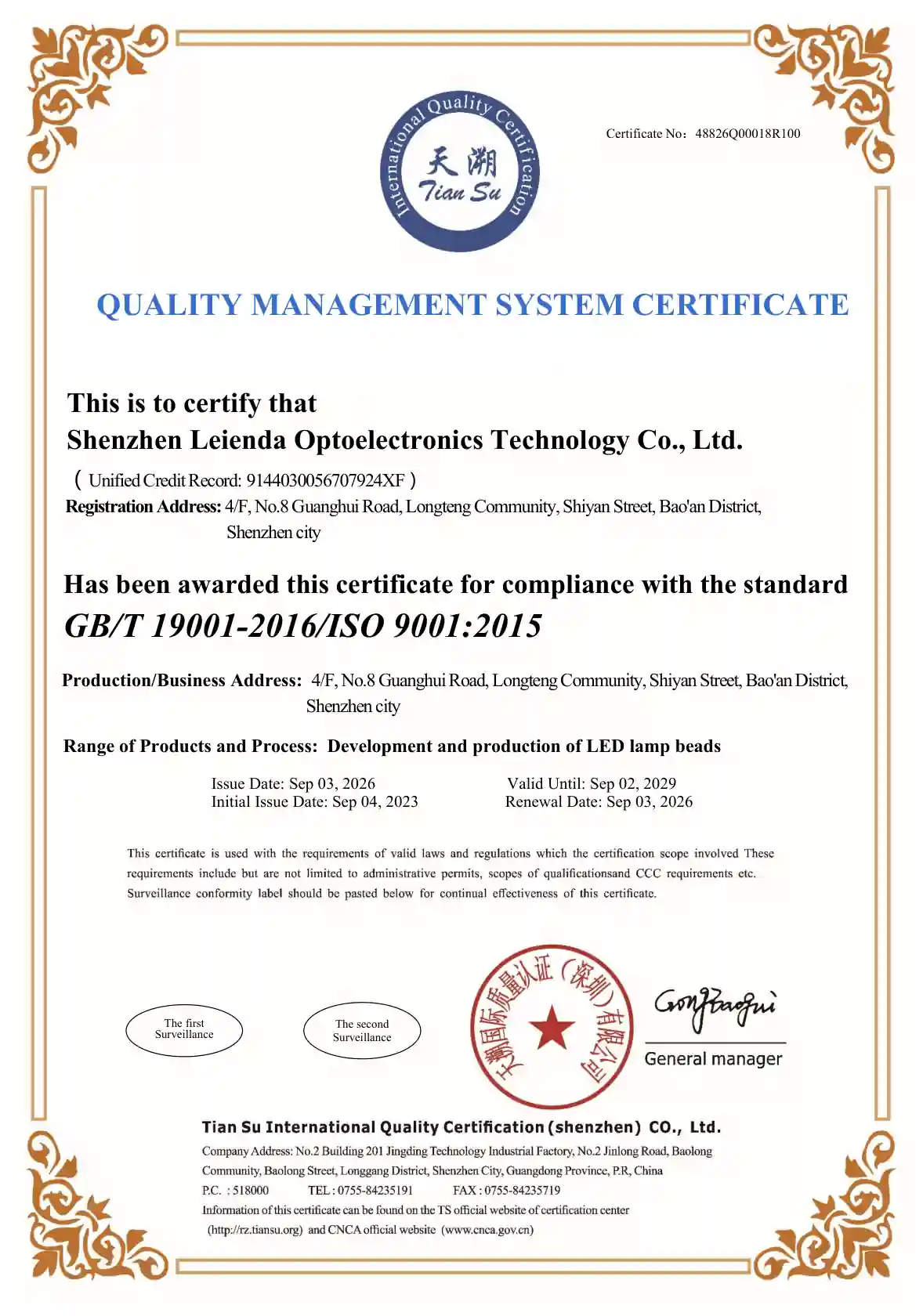
ISO 9001:2015 quality management certificate for development and production of LED lamp beads
ISO 9001:2015 quality management certificate — scope: development and production of LED lamp beads.

High Power LED Selection Guide

Is a high power LED a particular package type?

No. High power describes the operating and thermal demands of a specified LED; SMD describes how a package is mounted, while COB describes an integrated die-on-board construction. A ceramic LED may be SMD, and a COB source may also be high power. Start with the part’s rated current, optical output and thermal conditions.

High Power LED Packages

How do I choose between COB and SMD high power LEDs?

Use COB when the design calls for an integrated emitting area and its matching substrate and heat path. Use discrete SMD packages when LED spacing, separate channels or a distributed board layout matter more. Then compare the actual emitting geometry, optics, electrical connections and assembly process. LEIENDA offers both packaged LEDs and integrated COB sources, so the choice can be made against the finished equipment layout.

How should a heatsink be selected for a high power LED array?

Size the thermal path from the selected LED’s electrical input, expected heat dissipation, allowable junction temperature, package-to-board resistance, board construction, heatsink performance and ambient conditions. The wattage printed in a product name is not enough to choose a heatsink. A ceramic package, COB substrate and custom LED board each place heat into the system differently; validate the assembled design at its intended drive condition.

Junction Package Substrate / Board Heatsink Ambient

What driver or power supply is needed for multiple LEDs?

Match a regulated driver to the specified LED current and the circuit’s forward-voltage range. In a series string, account for the combined forward voltage and driver compliance range; for parallel branches, plan current sharing. RGB, RGBW and mixed-wavelength designs may need independently controlled channels. Confirm the pinout and operating limits of the chosen part before finalizing the supply.

Driver LED LED LED Channel 1 660nm / Red Channel 2 850nm / NIR

What matters when selecting LEDs for a grow light?

Begin with the target spectrum and light distribution at the crop, then review wavelength mix, channel control, mounting density, driver efficiency and thermal conditions. LEIENDA’s white, blue, red and deep-red component directions and COB or board formats provide starting points for a fixture design. Evaluate the complete grow light rather than treating an individual LED’s wattage as its growing performance.

Grow Light LED Selection

Can a high power LED be used in an outdoor light?

The LED component must be evaluated inside the finished luminaire. Weather protection, sealing, corrosion exposure, optics, driver, heat removal and required fixture tests determine outdoor suitability. A bare LED or COB source should not be assigned a fixture-level IP rating without that system evidence.

What should I check when sourcing a high power LED module?

Ask whether the offer is a packaged LED, an integrated COB source or an assembled PCB/FPC light board. Compare the drawing, channel wiring, wavelength and output conditions, drive limits, thermal interface and inspection requirements. LEIENDA can discuss the component and board or PCBA configuration together; approve the selected part and assembled design against the equipment requirements.

Discuss the LED Source for Your Equipment

Share the intended application and the product format you are considering. A target wavelength or color, operating condition, board drawing or reference specification helps narrow the component and assembly options.

Headquarters

4/F, No. 8 Guanghui Road, Longteng Community, Shiyan Street, Bao'an District, Shenzhen, Guangdong, China

Supported formats: PDF, JPG, PNG, STEP, IGES, STL, DWG (Max 20MB)