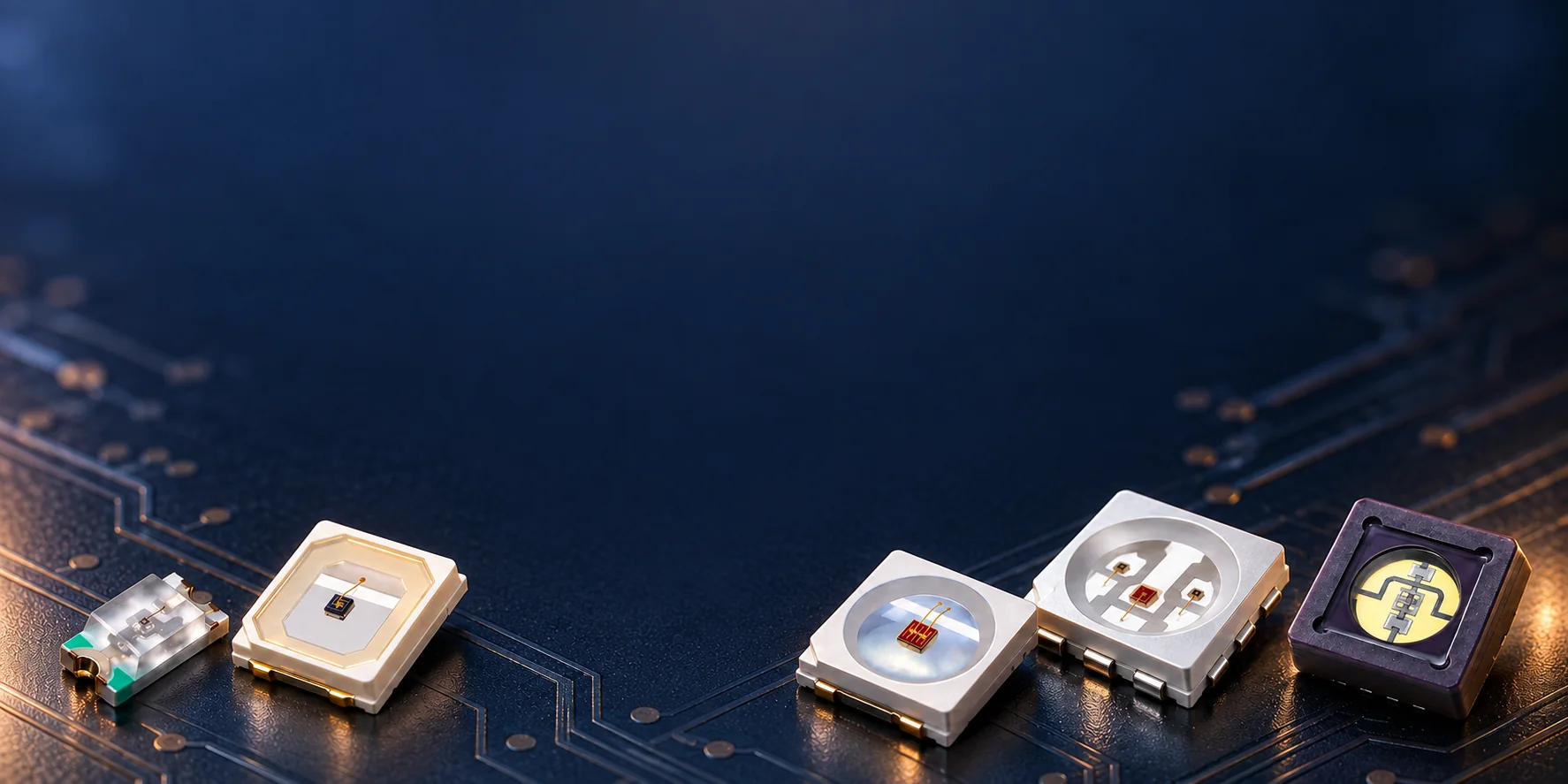
Custom SMD LED Manufacturer for Specialized Light Sources
Choose from 2835, 3030, 3535, 5050 and 3528 surface-mount LED packages for visible light, UV, infrared and multi-wavelength projects. Leienda supports package selection, custom optical and electrical configurations, and coordination from individual LEDs to PCB, FPC and PCBA light-source assemblies.
- Five established SMD package families
- Visible, white, UV and infrared options
- Single-die and multi-die configurations
- Component-to-board customization support
Explore SMD LED Options
Start with the package or output type that fits your board. A package code describes a physical format; color, wavelength, voltage, power and optical output must still be checked against the specific device.
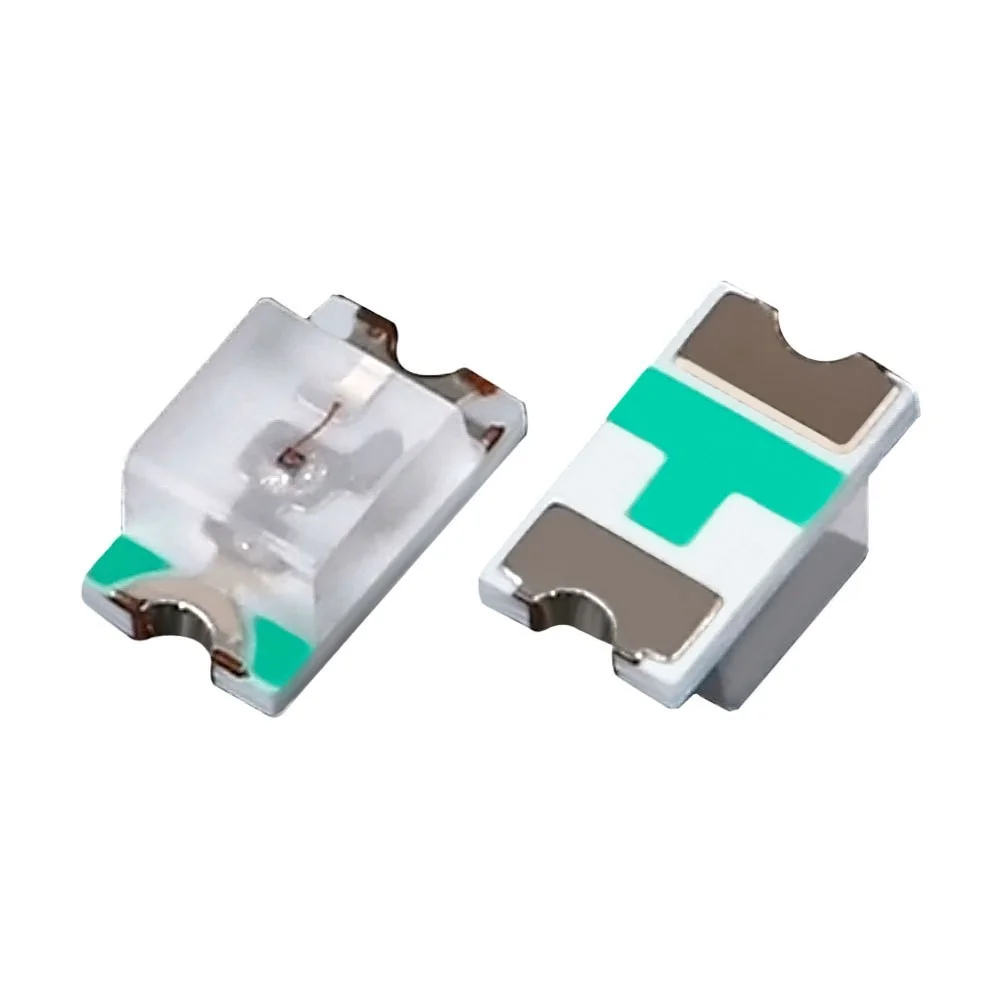
Chip SMD LEDs (0603/0805/1206 & 3227 Bi-Color)
Choose 0603, 0805 or 1206 chip-style LEDs for compact PCB layouts and status indication. The 3227 bi-color package adds a two-color option within the chip LED family. Compare the exact model’s package drawing, pad layout, polarity, color combination and assembly requirements before selection.
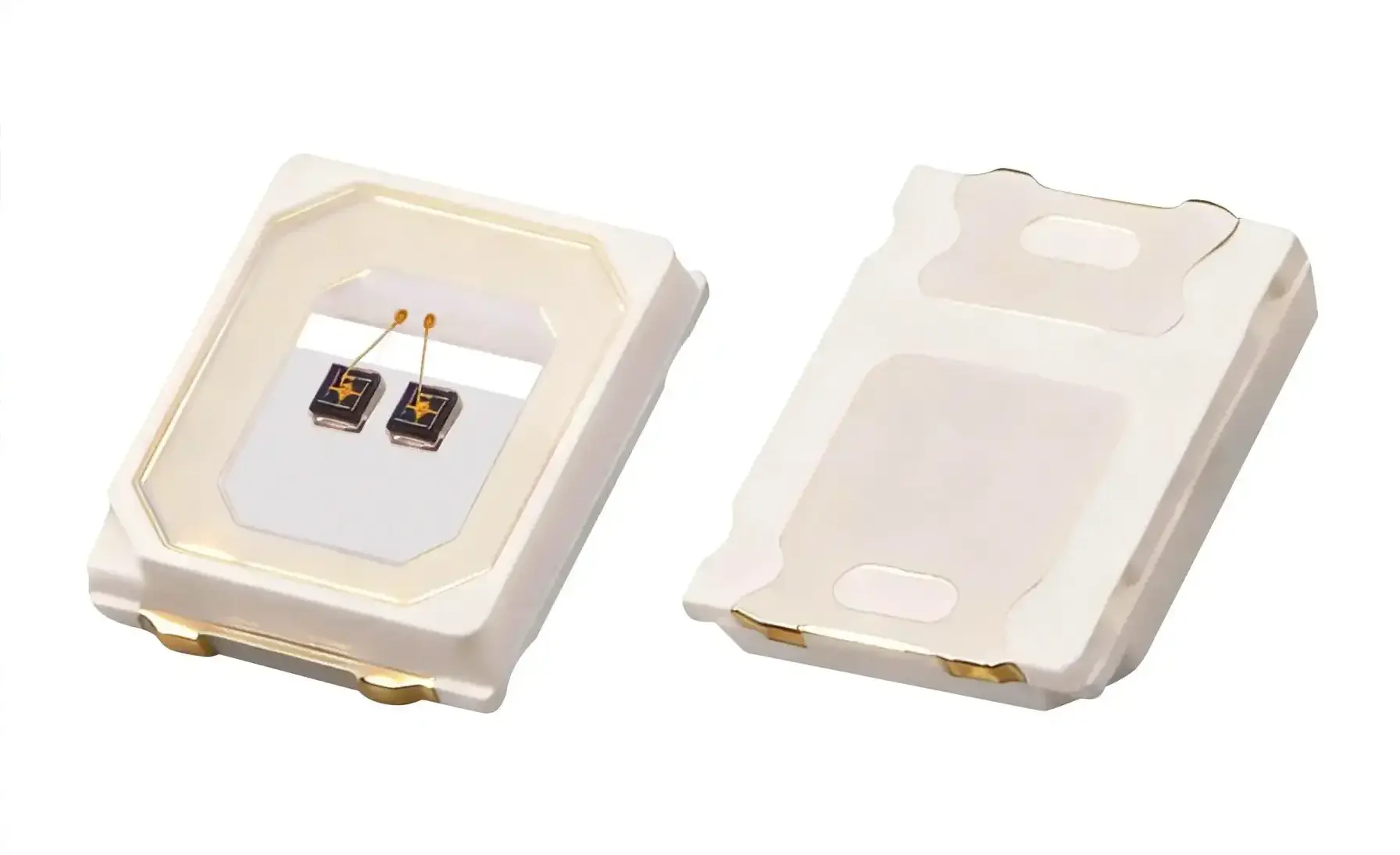
2835 / 3030 / 3528 SMD LEDs
These commonly used package families offer different board footprints and available optical structures. LEIENDA’s product range includes visible-color, white, red and infrared examples; select the exact construction and electrical specification for your design.
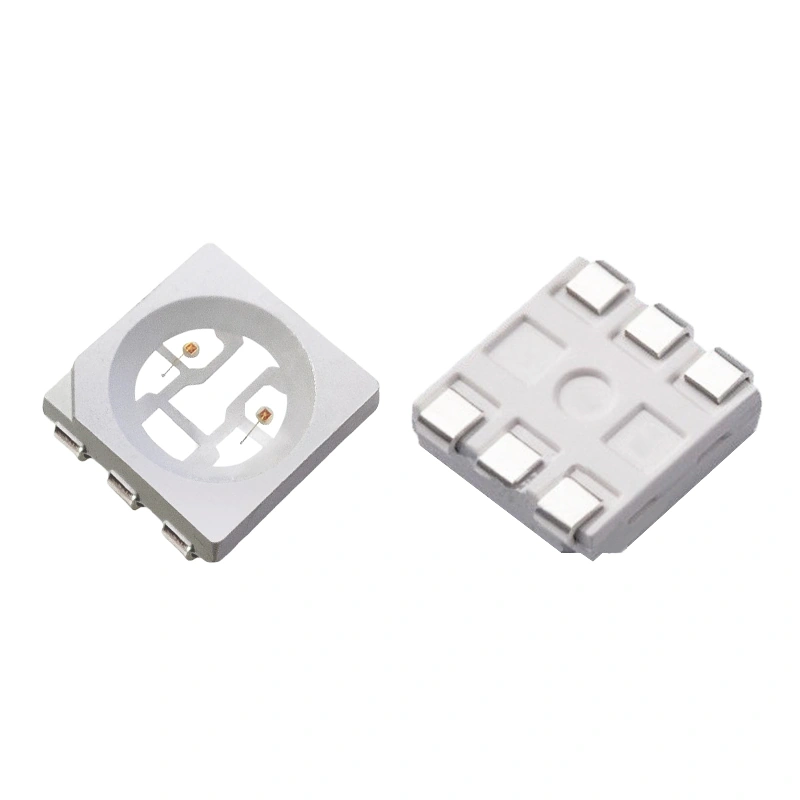
5050 / 5054 SMD LEDs
Larger package formats provide room for selected single- and multi-chip arrangements, including multi-wavelength examples. Compare chip count, channel connections, optical structure and available board space rather than assuming every 5050 or 5054 has the same output.
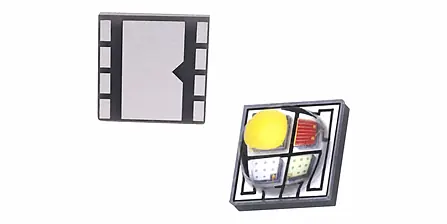
Ceramic High-Power SMD LEDs (3535/5050)
Ceramic construction is an option when optical output and thermal design require closer review. Select the device together with its drive conditions, heat path, substrate and model-specific ratings.
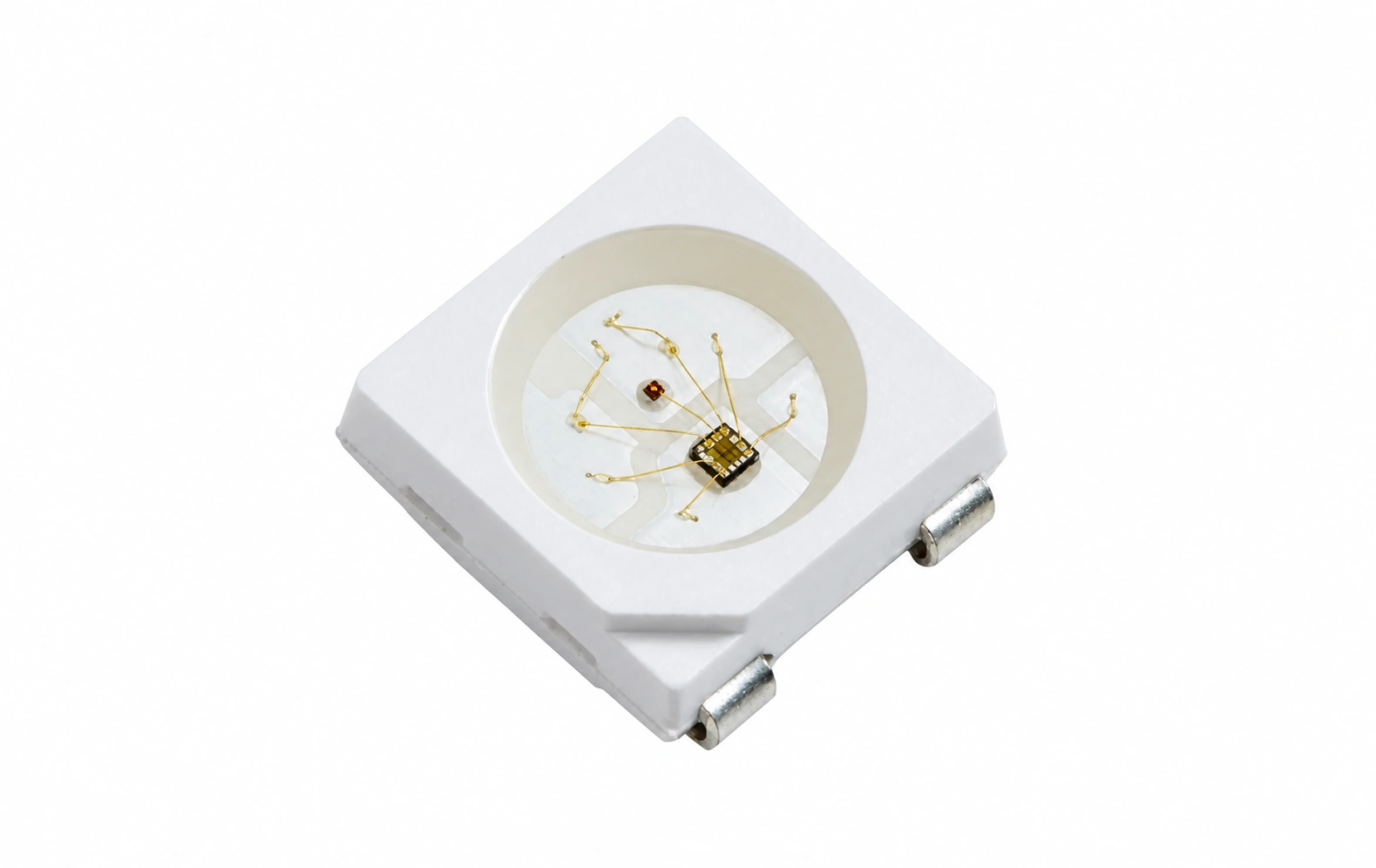
RGB/RGBW & IC-Integrated SMD LEDs
Choose multicolor devices for color mixing or separately controlled channels. For integrated-control versions, verify the actual pinout, supply, interface and protocol of the selected model before designing the board.
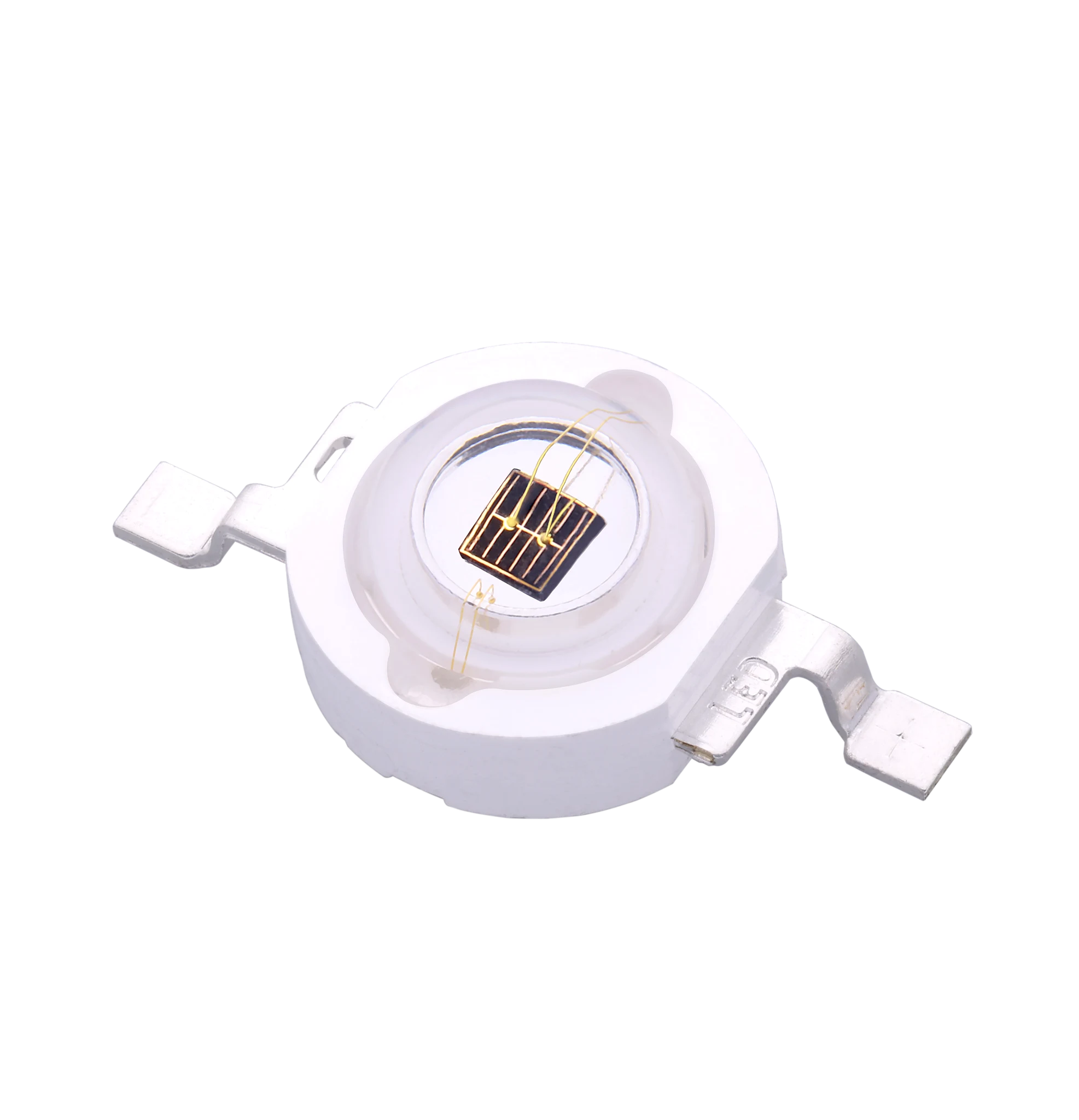
Red & Near-Infrared SMD LEDs
Single- and multi-chip red and near-infrared configurations support equipment designs that need a defined wavelength or wavelength combination. Compare the target spectrum, optical output, viewing geometry and operating conditions for each device.
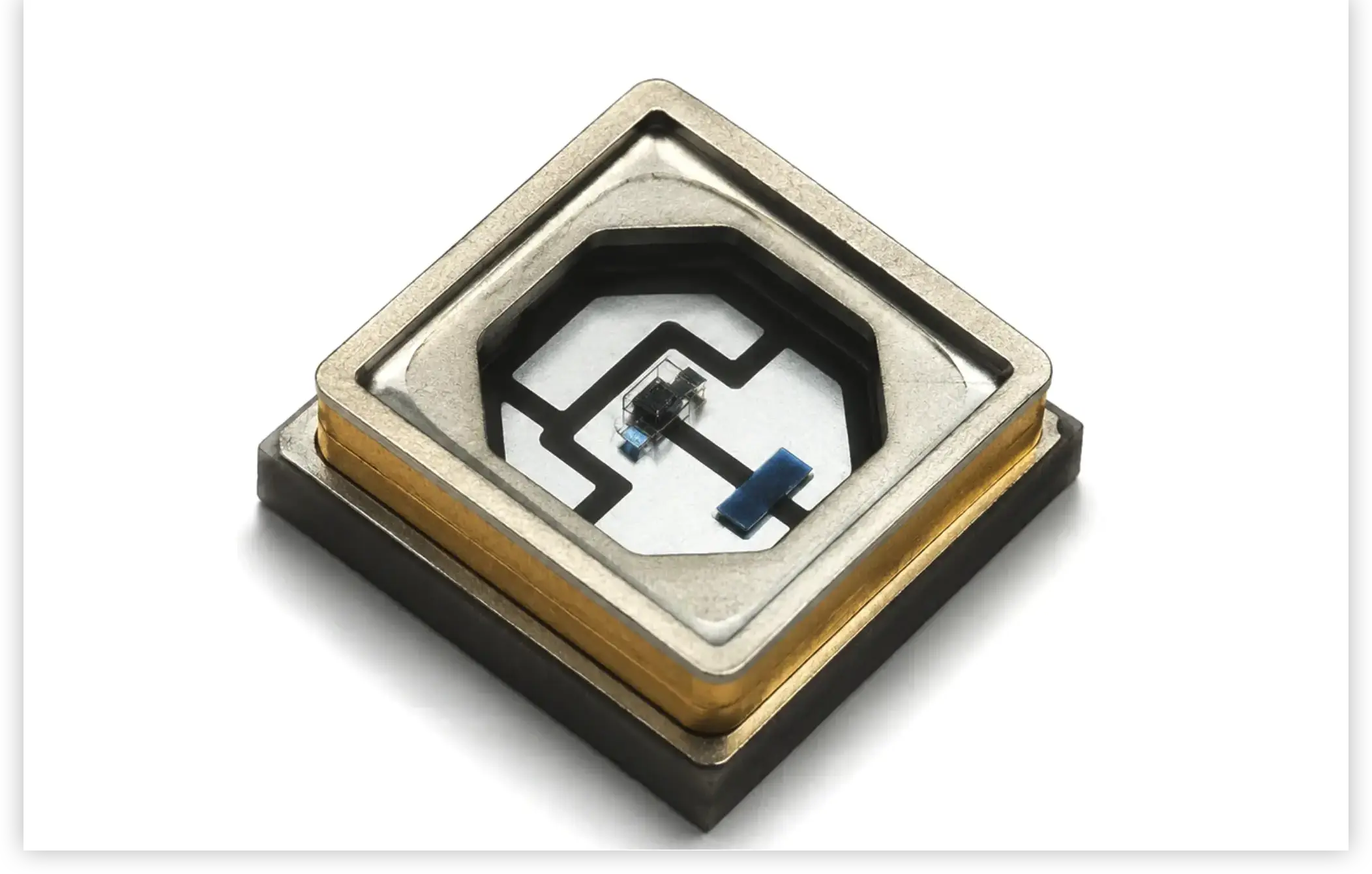
UV SMD LEDs
UV projects begin with the required wavelength and system conditions. A suitable SMD package, optical specification and availability must be confirmed against a specific model before the device is selected.
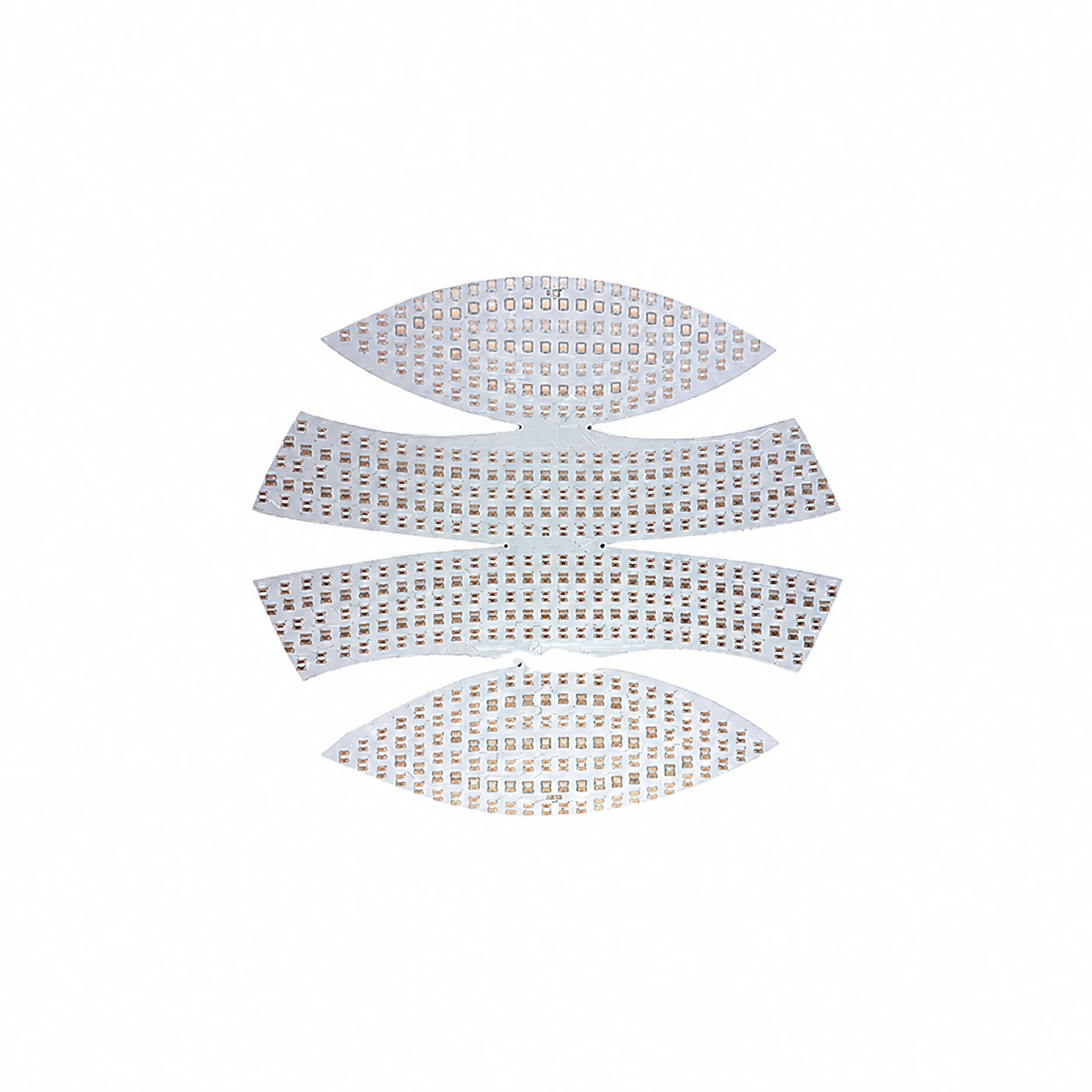
Custom SMD LED PCB/FPC/PCBA Modules
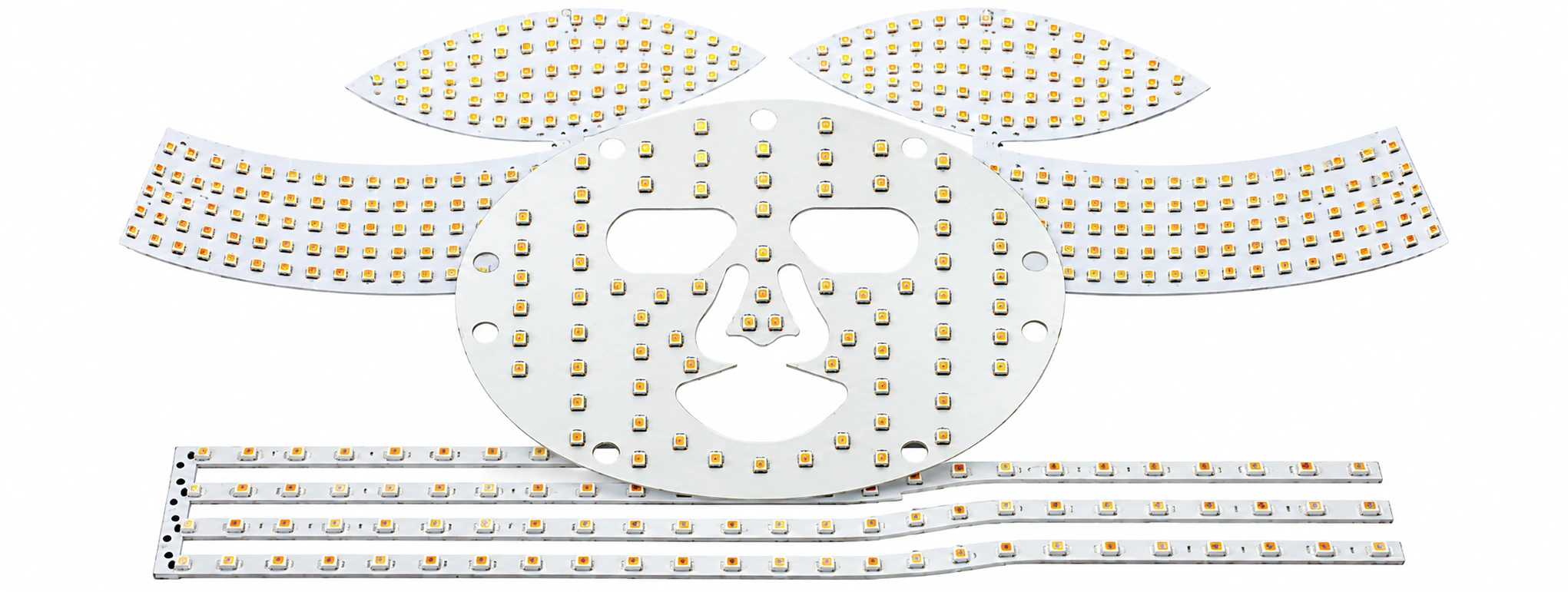
When a single component is not the full requirement, LEIENDA can review rigid PCB, flexible FPC and assembled module designs around LED spacing, board shape, wavelength combination, channel layout and equipment integration.
Choose the Package Around the Board, Not the Number Alone
SMD package codes are useful for narrowing the footprint, but devices sharing one code can differ in chip count, output, lens structure and electrical behavior.
| Package route | What the range shows | Check before selection |
|---|---|---|
| 0603 / 0805 / 1206 | Miniature chip-style devices for compact layouts. | Body and pad drawing, polarity, handling and mounting conditions. |
| 3227 bi-color | A chip-style package option with two-color output. | Actual color pair, pad layout, polarity, pinout and model-specific electrical requirements. |
| 2835 | A rectangular package with visible-color, white and infrared examples. | Exact optical option, drive current, forward voltage and board footprint. |
| 3030 / 3528 | Different package outlines with flat, domed, single- or multi-chip examples in the company range. | Drawing, emission geometry, chip arrangement and thermal conditions. |
| 5050 / 5054 | Package formats with selected multi-chip and multi-wavelength configurations. | Channel wiring, wavelength mix, optical structure and available PCB area. |
| 3535 / 5050 ceramic | Ceramic package constructions for selected high-power and multicolor designs. | Model-specific ratings, heat path, substrate and assembly requirements. |
The final choice is the complete device specification—not the package code alone.
Reduce Rework Before the First PCB Run
Most SMD LED problems begin when a package code is treated as a complete specification. Lock the optical, electrical, mechanical and assembly requirements together before releasing the PCB.
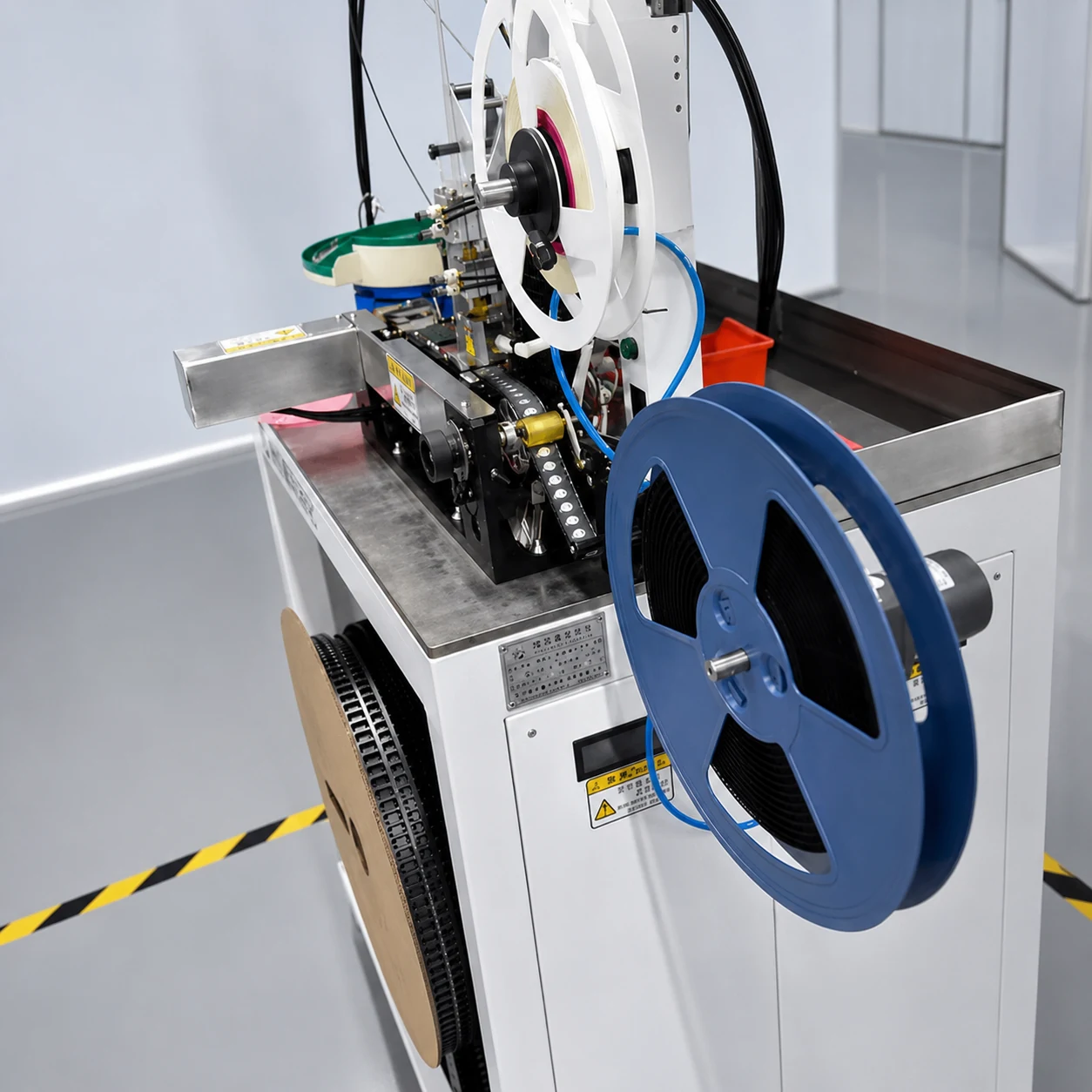
The footprint fits, but the electrical behavior does not
The same package can contain different chip structures and voltage or current requirements. Select the exact part before finalizing the driver, pad layout and series-parallel arrangement.
The wavelengths are correct, but the channels cannot be controlled as intended
For dual-die, RGB, RGBW or multi-wavelength packages, define the chip combination, pinout, common-anode or common-cathode structure where applicable, and the intended control method before board layout.
The LED performs in a short test but becomes unstable in the assembly
Drive current, board temperature, solder profile, pad design and heat flow affect the finished system. Evaluate the LED together with the actual PCB or FPC, driver and enclosure conditions.
One approved sample does not guarantee an interchangeable shipment
Agree on the exact part number and the required color, wavelength or optical bin. Incoming and outgoing checks should use the same approved specification and acceptance criteria.
Leienda can coordinate LED package selection with PCB, FPC, SMT and PCBA requirements so that component and assembly decisions are reviewed as one light-source project.
Build the Light Source Around the Device
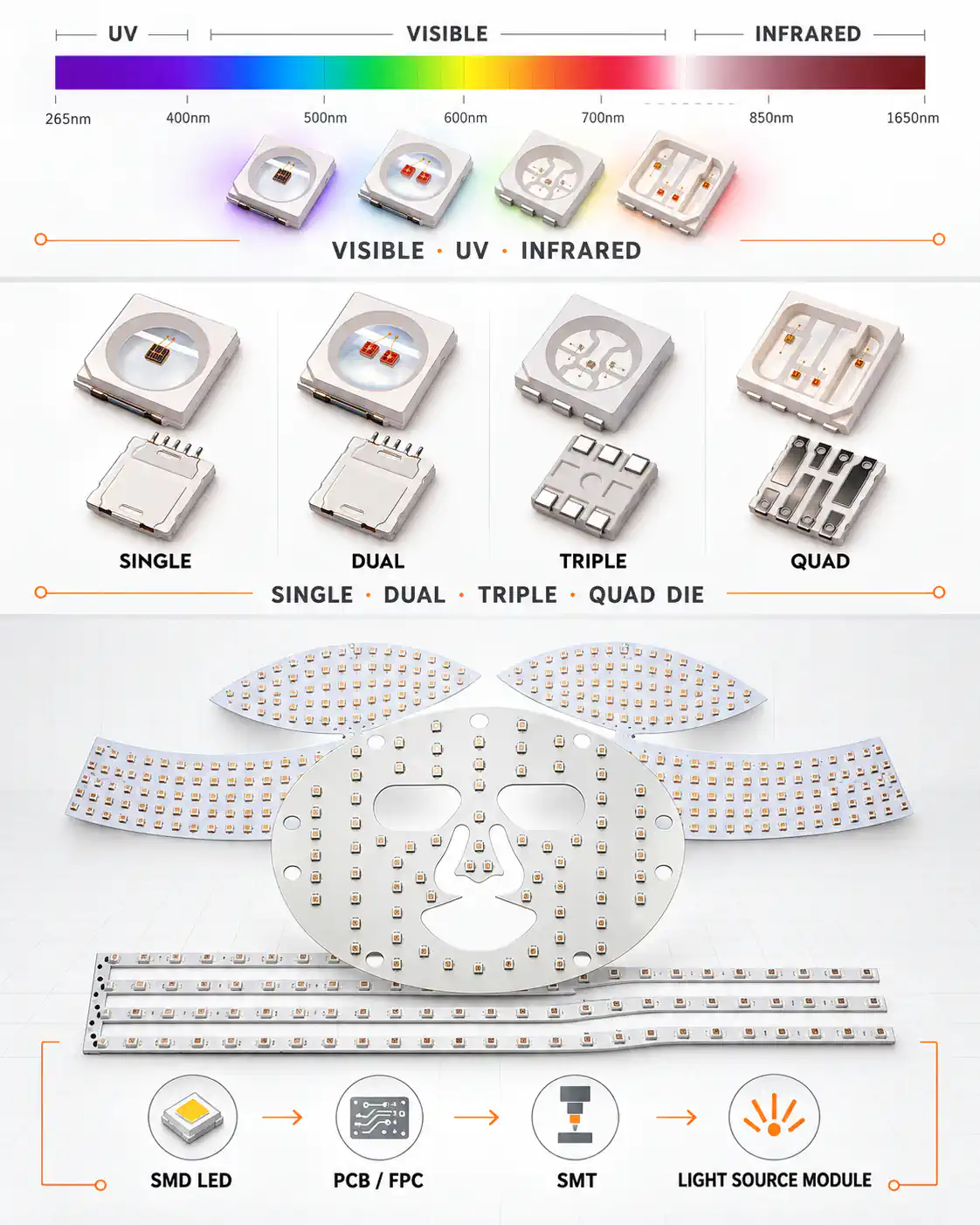
Visible, UV and Infrared Spectrum Options
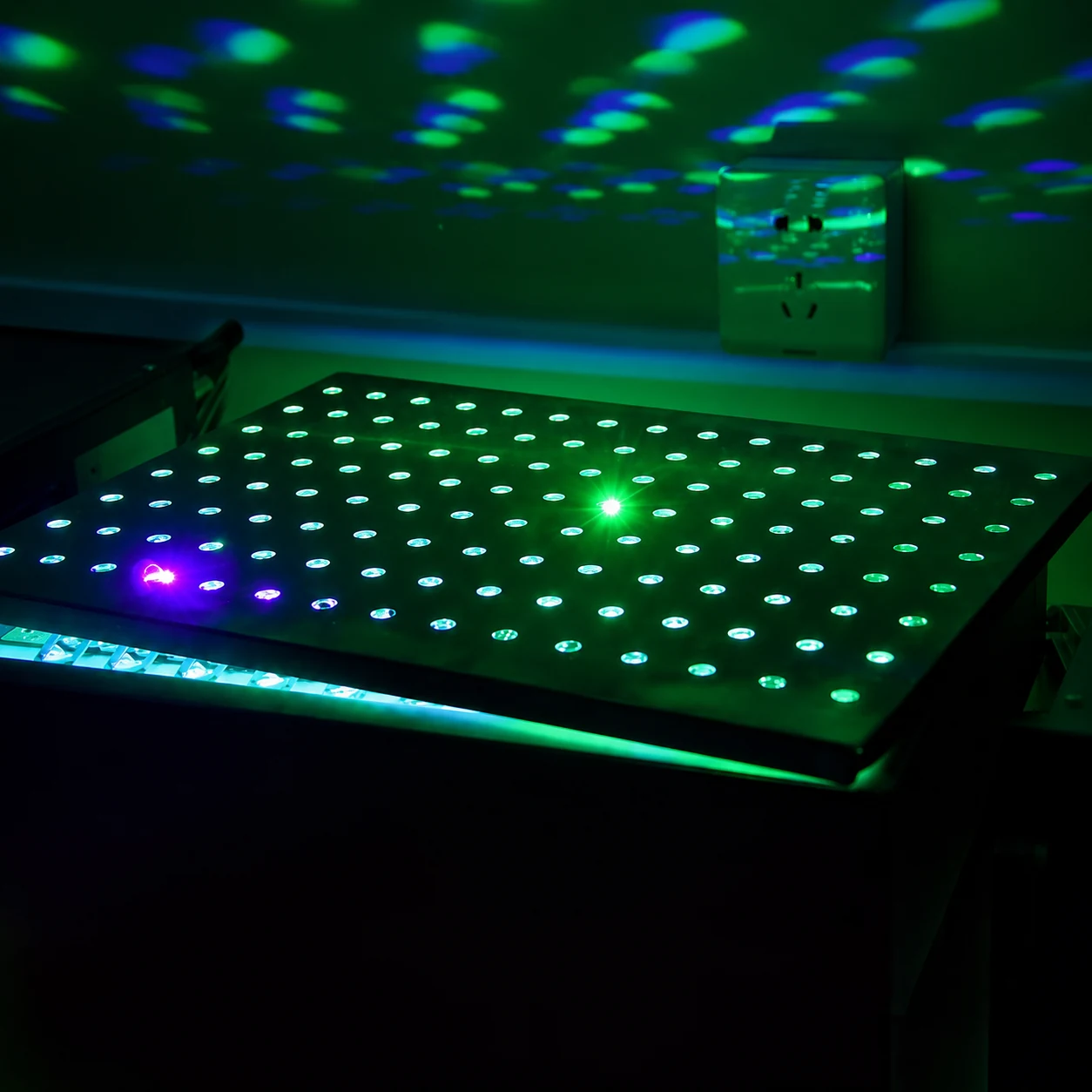
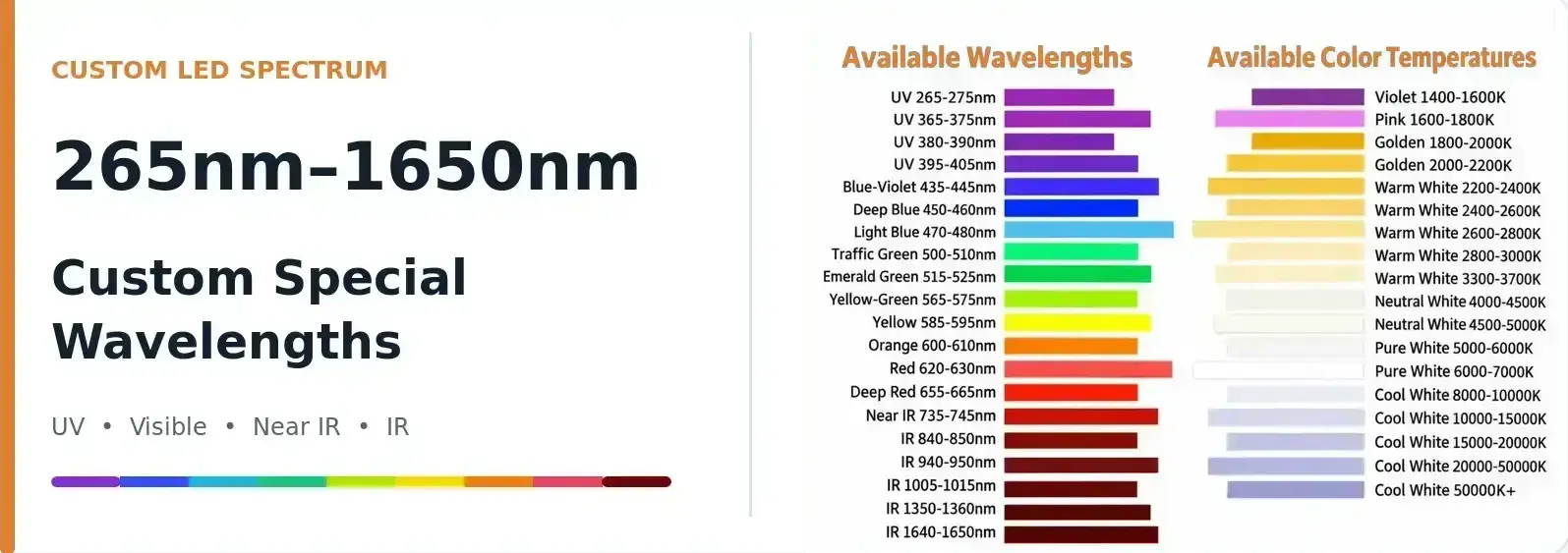
Leienda’s product materials cover red, blue, green, white, ultraviolet and infrared directions, including red-plus-near-infrared and other multi-wavelength combinations. Peak wavelength, color temperature, tolerance and optical output must be confirmed against the selected part or custom specification.
Single-Die to Multi-Die Package Structures
Available product structures include single-die, dual-die, triple-die and four-die SMD LEDs, together with flat, domed, black-face and ceramic package directions. These choices help balance board space, channel count, beam behavior, contrast and heat transfer.
From Packaged LEDs to Assembled Light Sources
Projects can begin with an individual SMD LED and extend to PCB or flexible FPC layouts, SMT assembly, PCBA light-source boards and semi-finished modules. Keeping the LED, footprint, circuit and assembly requirements in one review reduces specification gaps between suppliers.
SMD LEDs for Specialized Lighting and Optoelectronic Equipment
Choose the package and spectrum around the equipment’s optical target, working distance, thermal structure, control method and available board area.

Phototherapy and Beauty Devices
Compact red and near-infrared SMD LEDs can support masks, wearable light boards and other phototherapy equipment where wavelength combination, board density and heat distribution must be evaluated together. Final exposure, safety and regulatory validation remains part of the finished-device design.
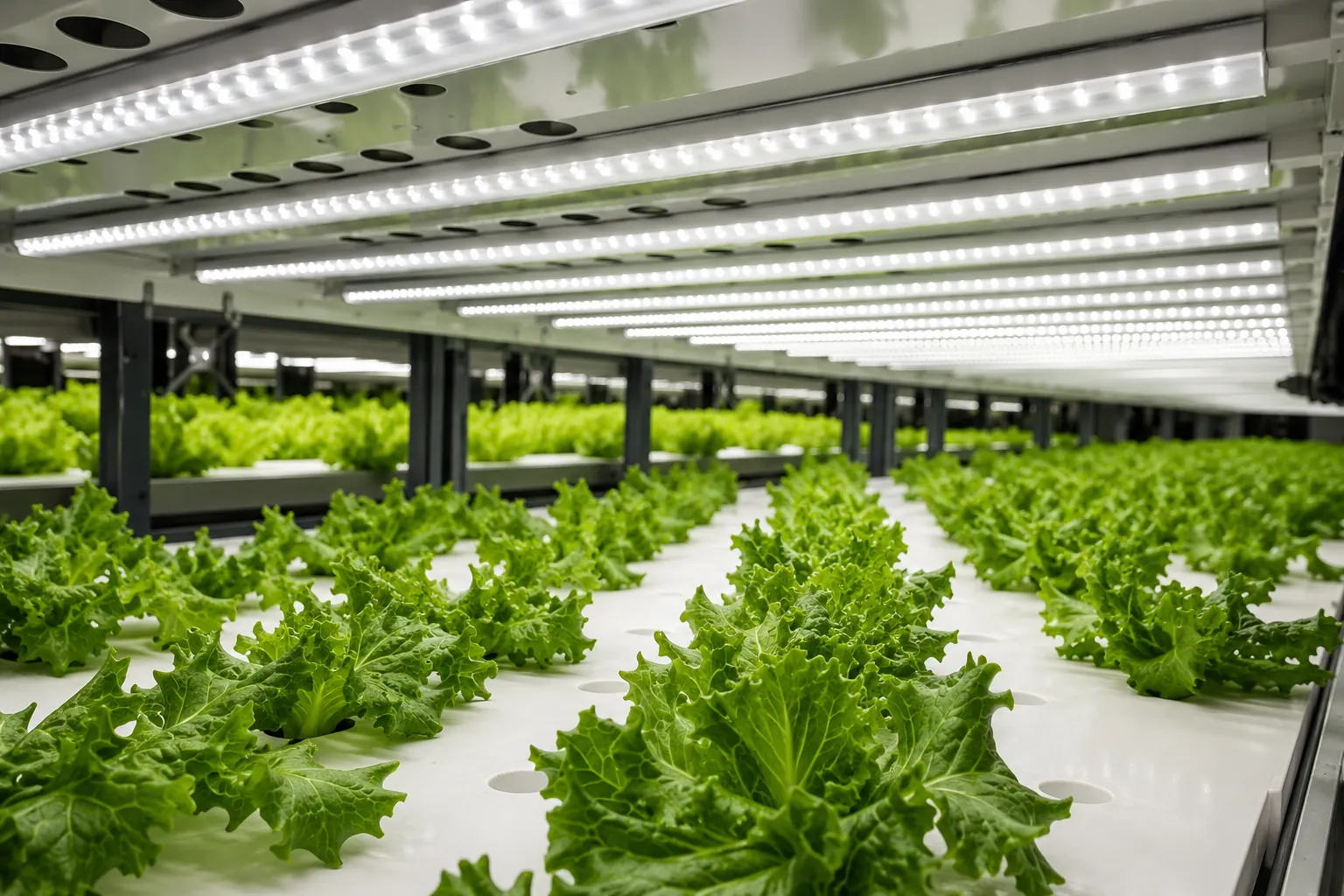
Plant Lighting
Visible and multi-wavelength SMD configurations can be arranged for plant-lighting boards that require defined spectral channels and controllable ratios. Select each wavelength, channel and drive condition from the intended crop and fixture design.
Plant Lighting
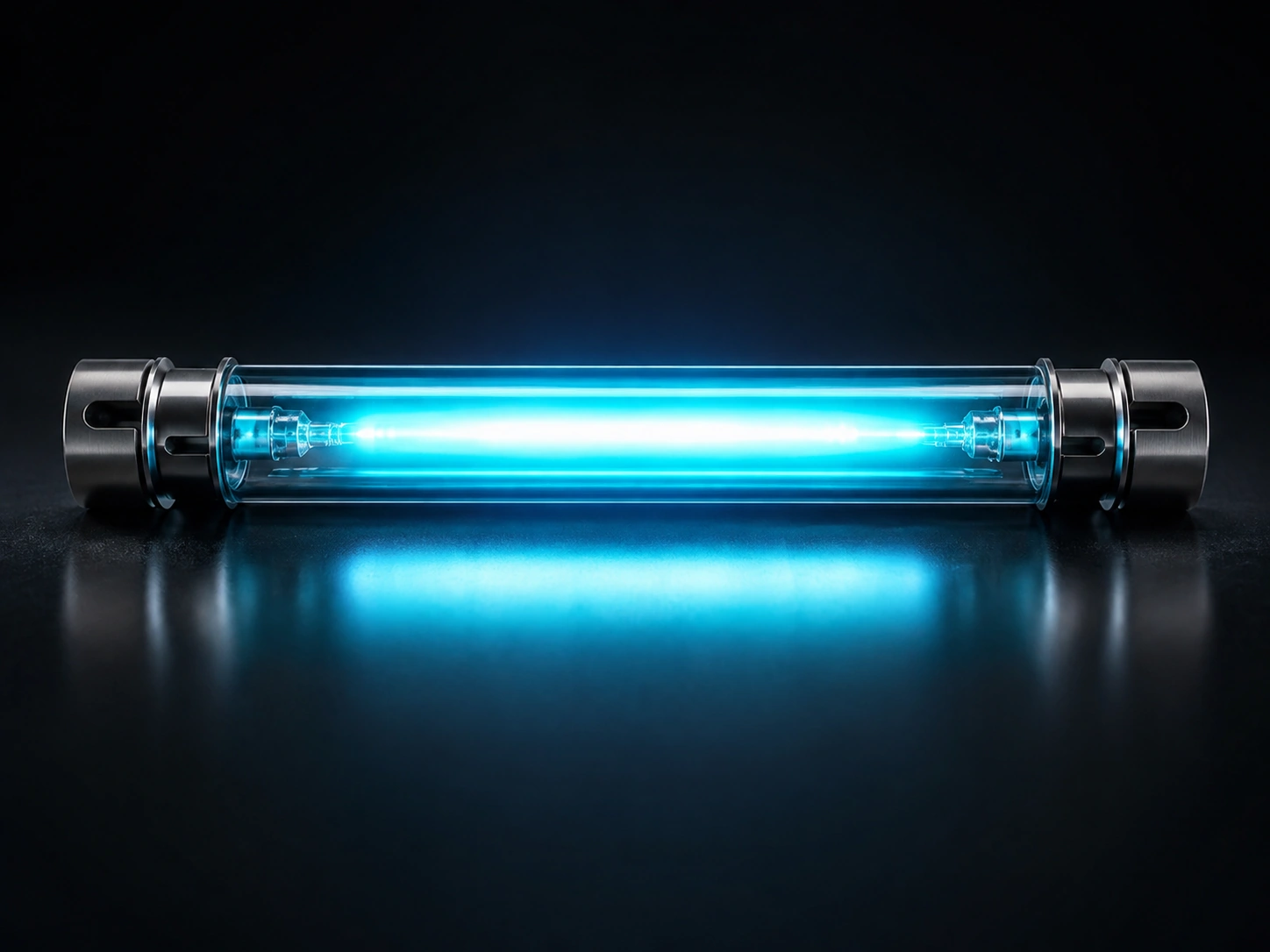
UV Equipment
UV SMD LEDs can be evaluated for curing, inspection or disinfection equipment according to wavelength, radiant output, substrate, thermal design and applicable safety requirements. Suitability must be confirmed by exact part data and equipment-level testing.
UV Equipment
Infrared Sensing
Infrared SMD LEDs support security illumination, sensing, machine vision and inspection projects. Peak wavelength, radiant intensity, viewing angle, working distance and camera or detector response should be reviewed as one optical system.
Infrared Sensing
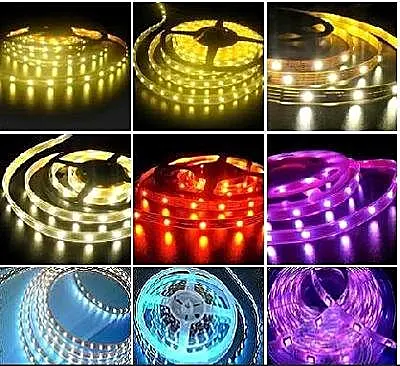
Multi-Color Lighting
RGB, RGBW and multi-channel 5050 or 3535 configurations can support color mixing, pixel and controlled-lighting projects. Confirm pinout, channel current, control interface and board layout against the selected part.
Multi-Color Lighting
How to Specify an SMD LED
A useful SMD LED specification connects the component to the board, driver, optics and operating environment. Use the following sequence to reduce substitutions and redesigns.
Swipe to view full table →
| Selection area | What it controls | What to define |
|---|---|---|
| Package and construction | Footprint, board density, heat flow and available chip structures | Package size, substrate, flat or domed form, die count, polarity and pinout |
| Spectrum and color | Equipment function and optical response | Peak wavelength, wavelength combination, CCT, CRI where relevant, and required bin tolerance |
| Electrical conditions | Driver compatibility and system power | Forward voltage, nominal current, channel arrangement, series-parallel layout and dimming method |
| Optical requirements | Coverage, working distance and detector or surface response | Optical or radiant output, viewing angle, lens form, uniformity target and working distance |
| Assembly and thermal design | Reflow reliability and operating stability | Pad layout, solder profile, moisture handling, PCB or FPC material, copper area and operating temperature |
| Quality and supply definition | Repeatability between approval and volume purchasing | Exact part number, approved bins, inspection criteria, packaging form, documentation and order forecast |
Do not select by lumen value alone. UV and infrared projects often use radiant measurements instead of visible-light metrics, while multi-channel packages require each channel to be specified separately.
When an existing part does not match the required spectrum, chip combination or board layout, Leienda can review a custom package or assembled light-source route. Final feasibility and tolerances are confirmed during technical review.
Manufacturing and Inspection for Repeatable SMD LED Supply
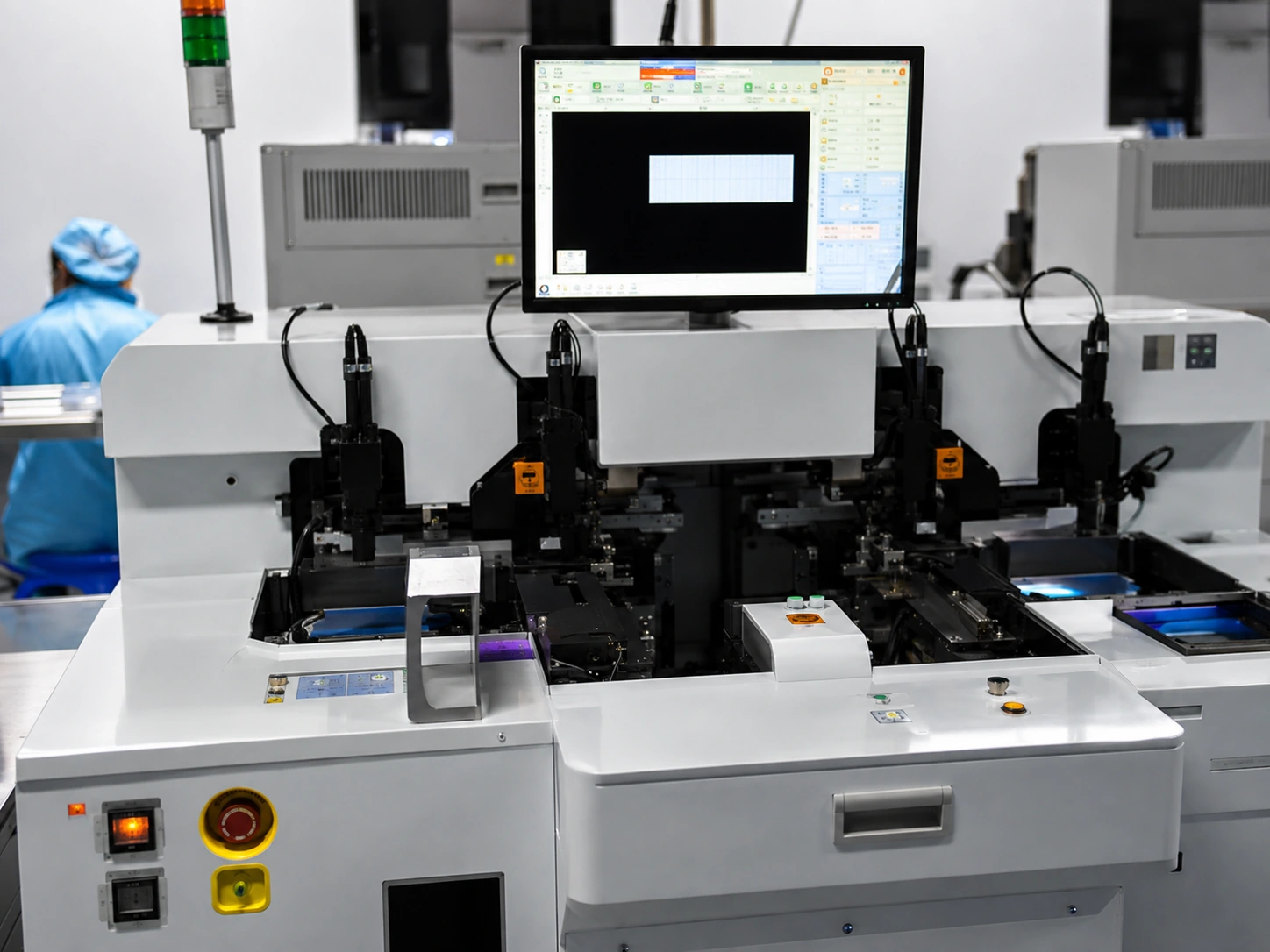
Leienda manufactures LED packages in Shenzhen and supports coordination across LED selection, packaging, SMT and PCBA light-source assembly. Product requirements can be carried from the approved component specification into board-level assembly and inspection.
The documented quality process covers incoming-material inspection, production control and outgoing-product inspection. Available laboratory and inspection directions include thermal-shock testing, high- and low-temperature testing, pull-force measurement and spectrum measurement across 265–1650 nm.
The exact test items, conditions, acceptance criteria and report format should be agreed for the selected part and order. Certification or compliance claims must only be shown when a current document can be matched to the relevant company entity and product scope.
- Incoming Material and Part Verification
- In-Process Packaging and Assembly Control
- Optical, Environmental and Mechanical Inspection

SMD LED Selection and Sourcing Guide
What are the main types of SMD LEDs?
SMD LEDs can be classified by package size, spectrum, chip count, construction and function. Leienda’s confirmed package families are 2835, 3030, 3535, 5050 and 3528. Within those families, the practical choices include visible colors, white, UV, infrared, single-die, multi-die, RGB, RGBW and custom multi-wavelength configurations.
Package and spectrum are separate decisions. A 3535 package, for example, may be built for UV, visible color or infrared use, so the complete part specification matters more than the package name alone.
How can I identify an SMD LED package size?
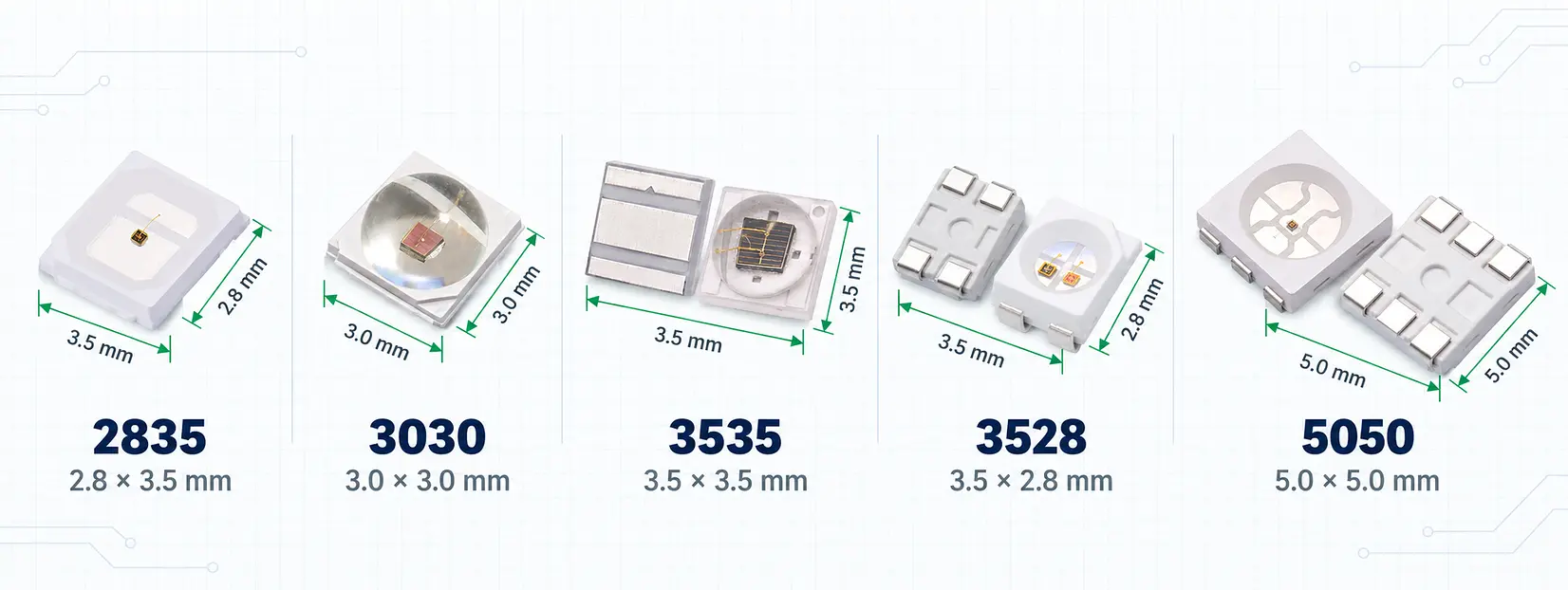
The package code commonly reflects the approximate body dimensions. A 2835 package is about 2.8 × 3.5 mm, a 3030 is about 3.0 × 3.0 mm, a 3535 is about 3.5 × 3.5 mm, a 5050 is about 5.0 × 5.0 mm, and a 3528 is about 3.5 × 2.8 mm.
Measure the component body and then confirm the pad layout, polarity mark, lens form and pin count against the part drawing. Similar external dimensions do not make two LEDs electrically or optically interchangeable.
How do I choose between 2835, 3030, 3535, 5050 and 3528?
Use 2835 or 3528 when compact board layout is a priority, then verify whether the required spectrum, die count and power are available. Consider 3030 when the project needs a compact package with a broader electrical or thermal operating window. Evaluate 3535 for ceramic, UV, specialty spectrum or higher-drive designs. Choose 5050 when several color or wavelength channels must share one package.
These are selection directions rather than fixed performance ratings. The final choice must be checked against the exact electrical, optical and thermal data.
What should I check before soldering small SMD LEDs?
Use the selected part’s recommended footprint, polarity marking, moisture-handling requirements and reflow profile. Protect the LEDs from electrostatic discharge, avoid mechanical pressure on the lens or encapsulant, and confirm that the PCB provides an adequate thermal path.
For multi-channel packages, verify every pin before assembly. A mechanically correct footprint can still produce a failed board if the channel order or common terminal is different.
Can wavelength, color or chip combinations be customized?
Leienda supports project discussion around package size, power, center wavelength or spectral band, chip combination, color temperature and other optical or electrical parameters. Existing materials also show single-, dual-, triple- and four-die structures and multi-wavelength combinations.
Custom feasibility, tolerances and mass-production conditions are confirmed against the intended package, board design and validation requirements.
How should I evaluate a supplier for bulk SMD LED purchasing?
Compare suppliers using the exact part and acceptance criteria rather than a generic package name. Review the data sheet, optical or spectral bin, electrical tolerances, package drawing, reflow guidance, inspection method and packaging format. Confirm how approved samples are linked to later production lots and how substitutions are controlled.
For assembled light sources, also check whether the supplier can coordinate the LED, PCB or FPC, SMT process and finished-board inspection. This reduces the risk of assigning component and assembly problems to separate vendors.
Can Leienda support PCB, FPC or PCBA light-source projects?
Yes. Leienda’s documented scope covers LED packages, substrates, SMT placement and PCBA light-source customization. A project can therefore be reviewed from the selected SMD LED through the board shape, circuit arrangement, component placement and assembled light-source requirements.
Available options and commercial conditions are confirmed for the exact project rather than assumed from the package family.

Send Your SMD LED Requirements
Share the package, spectrum and assembly information already available for your project. We can use it to discuss a standard part, a custom package configuration or an assembled PCB, FPC or PCBA light-source route.
- Preferred package or available board space
- Color, CCT, peak wavelength or wavelength combination
- Forward voltage, current, power and channel arrangement
- Optical or radiant output and viewing angle
- PCB, FPC, SMT or PCBA requirements
- Estimated quantity and project stage